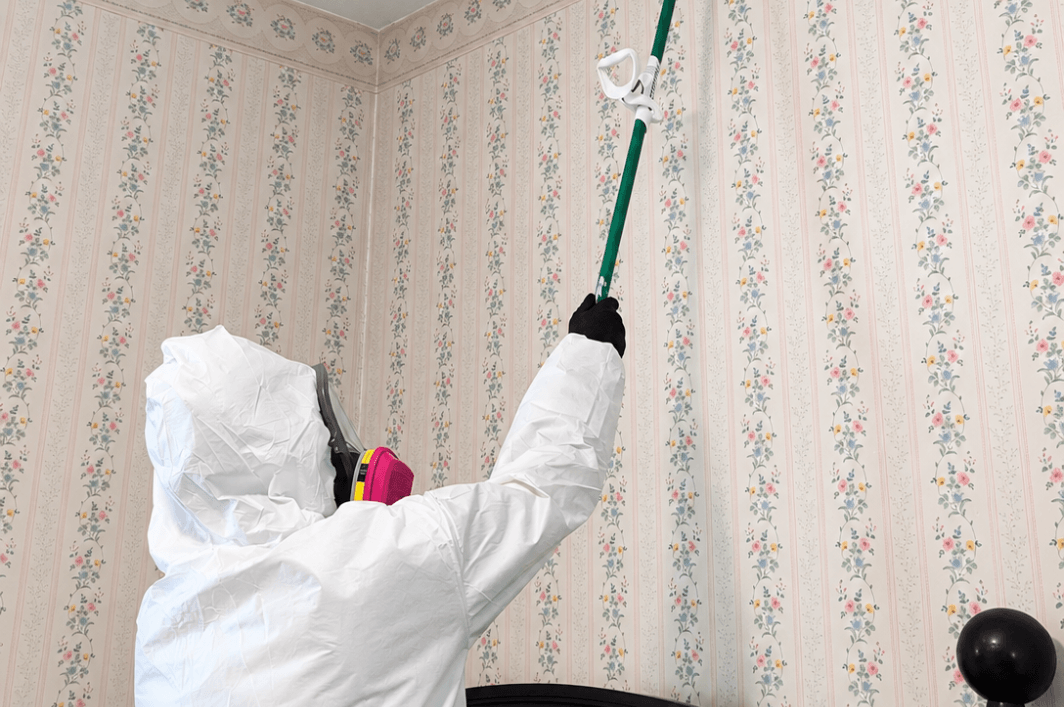

Understanding how to file a suicide cleanup insurance claim can help you avoid delays and keep the process moving. Most homeowners insurance policies may provide coverage for professional biohazard remediation, but every claim is different. Taking the right steps in the right order, from documenting the property to working with your insurance adjuster, can make the claims process more manageable while allowing you to focus on what matters most.
Does Homeowners Insurance Typically Cover Suicide Cleanup?
Many homeowners insurance policies do cover professional suicide cleanup because it is often considered a sudden and accidental property loss. Coverage depends on your policy, deductible, exclusions, and the circumstances of the claim. Before filing, it's helpful to understand whether suicide cleanup is covered by homeowners insurance so you know what documentation your insurer may request.
What to Do Before Filing a Suicide Cleanup Insurance Claim
Taking the right steps before filing your claim can prevent delays and help protect the information your insurance company needs.
Wait Until Authorities Release the Scene
Do not enter or disturb the affected area until law enforcement or the medical examiner officially releases the property. They may need unrestricted access to complete their investigation and collect evidence.Cleaning, moving items, or disposing of belongings before the scene is released could interfere with the investigation and create unnecessary complications.
Avoid Cleaning the Area Yourself
Avoid attempting to clean blood or other biological materials yourself. Besides creating health risks, cleaning too soon may remove important documentation that supports your insurance claim.Professional suicide cleanup follows established infection control practices to safely remove hazardous materials, disinfect affected areas, and reduce the risk of further exposure.
Document the Damage
Once authorities have released the property and it is safe to enter, photograph the affected areas before cleanup begins. Try to record:
- Photographs of affected rooms
- Visible contamination
- Damaged furniture and personal belongings
- Structural materials that appear affected, such as flooring, drywall, or subfloors
- Areas where contamination may have spread
You do not need to create a professional inspection report yourself. Simple, clear photographs and notes can provide valuable support when filing your claim.
Step 1: Contact a Professional Suicide Cleanup Company
Reaching out to Suicide Cleanup Specialists early is one of the most important steps in the insurance process. Our team can assess the affected areas, prepare a cleanup estimate, and provide the documentation your insurance company may request.
Why This Should Happen Early
Early involvement helps prevent delays and ensures the property is properly assessed from the start. Rather than trying to determine the scope of contamination yourself, our certified technicians can evaluate the affected areas and prepare the documentation your insurance company may request.
What Information the Cleanup Company May Provide
During the initial assessment, our team may provide:
We also work directly with families during the claims process and can help coordinate communication with insurance representatives when questions arise.
Step 2: Gather the Information Your Insurance Company Will Need
Having your documents ready before opening a claim helps the review process begin more efficiently. When your insurance company receives complete information upfront, there is often less need for follow-up requests later.
Essential Information Checklist
Most insurance companies will ask for some combination of the following:
- Homeowners insurance policy number
- Property address
- Date of the loss
- Contact information for the policyholder
- Professional cleanup estimate
- Photographs documenting the damage
- Police report, if available
- Medical examiner documentation, when applicable
Having these documents ready can reduce delays caused by missing information. Some claims may require additional documentation depending on the circumstances.If requested, our team can provide supplemental reports describing the remediation work performed.
Step 3: Open the Insurance Claim
Open your claim by phone, through your insurer's online portal, or with your insurance agent. During the first conversation, you'll explain the property damage, receive a claim number, and learn what information your insurance company needs next.
What to Expect During the Initial Call
The first call is usually straightforward. The insurance representative gathers basic information before requesting supporting documentation.You may be asked:
- The property address
- The date of the loss
- Which rooms were affected
- Whether emergency cleanup is needed
- Whether a professional cleanup company has inspected the property
If additional documentation is required, your insurance company will explain what should be submitted and where to send it.
Example of What to Say
You don't need to know insurance terminology before calling.A simple statement like this is usually enough:"There was a death at the property and professional biohazard remediation is required. I'd like to open a property damage claim and understand what documentation you need."
Step 4: Submit Documentation and Estimates
After opening your claim, submit the requested documents as soon as possible. Sending complete information together allows the adjuster to begin reviewing your claim without unnecessary delays.Common documents include:DocumentPurposeProfessional cleanup estimateShows the expected remediation costsPhotographsDocuments the condition of the propertyContractor documentationExplains the required remediation workDisposal recordsConfirms proper handling of regulated waste when applicableFinal invoicesVerifies completed servicesRemediation reportsDocuments the work performedIf your insurance company requests additional information, respond promptly so the review process can continue without unnecessary delays.
Step 5: Work With the Insurance Adjuster
After your claim is opened, an insurance adjuster reviews the information and determines how your policy applies to the loss.Many families ask whether cleanup can begin before the adjuster completes the review. The answer depends on the circumstances of the loss and your insurance company's requirements.
Will an Adjuster Visit the Property?
Not every claim requires an on-site inspection. Some adjusters make coverage decisions using photographs, estimates, and contractor documentation, while others prefer to inspect the property in person.
How Long Does Approval Take?
Simple claims may move through the review process within a few days. Claims involving extensive contamination, additional documentation, or policy questions can take longer.
Can Cleanup Begin Before Approval?
Some situations require immediate remediation because biohazard contamination can create ongoing health risks or cause additional property damage if left untreated.When emergency mitigation is necessary, our team documents the affected areas before work begins and provides the records your insurance company may request during the claim review.
Step 6: Review Coverage, Deductibles, and Payment
Once the claim has been reviewed, your insurance company will explain what costs are covered under your policy and what portion, if any, remains your responsibility.Your settlement may include:
- Covered remediation services
- Your policy deductible
- Direct payment or reimbursement, depending on the carrier
- Coverage limitations or exclusions that apply to your policy
Review the settlement carefully before assuming every cleanup expense is covered. Coverage amounts, deductibles, and exclusions differ from one policy to another.Your deductible is only one part of the total expense, which is why understanding who pays for suicide cleanup can help you prepare for any out-of-pocket costs.
Direct Insurance Billing
We may be able to bill your insurance company directly after coverage has been confirmed, depending on your claim and carrier. This can reduce paperwork and simplify the payment process during an already difficult time.Direct billing does not guarantee payment or change your policy's coverage. Final payment is always determined by your insurance carrier and the terms of your policy.
How Long Does a Suicide Cleanup Insurance Claim Take?
Most suicide cleanup insurance claims follow a similar timeline, although every claim is different.TimeframeTypical Claim ActivityDay 1Claim is opened with the insurance companyDays 1–2Documentation and estimates are submittedDays 2–5Insurance adjuster reviews the claimDay 5+Coverage determination and cleanup schedulingSeveral factors can extend the timeline, including:
- Missing documentation
- Additional contamination discovered during inspection
- Questions about policy coverage
- Requests for supplemental information
Common Mistakes to Avoid When Filing a Suicide Cleanup Insurance Claim
Even straightforward insurance claims can slow down when avoidable mistakes happen. Knowing what to avoid helps protect your claim and reduces unnecessary back-and-forth with your insurance company.
Mistake #1: Delaying the Claim
Report the loss as soon as reasonably possible after the scene has been released and you've contacted a professional cleanup company. Waiting too long can delay the review process and make it harder to document the property's original condition.
Mistake #2: Throwing Away Items Before They're Documented
Damaged furniture, flooring, and personal belongings may help demonstrate the extent of the loss. Unless there's an immediate safety concern, wait until the items have been documented before disposing of them.
Mistake #3: Hiring an Unqualified Cleanup Company
Insurance companies often expect biohazard remediation to be completed by trained professionals using accepted industry practices. Choosing our qualified team helps ensure the work is properly documented from start to finish.
Mistake #4: Failing to Keep Records
Save copies of emails, claim numbers, invoices, estimates, and any correspondence related to your claim. Having everything in one place makes it easier to answer questions if additional information is requested.
Mistake #5: Assuming Every Policy Provides the Same Coverage
No two insurance policies are exactly alike. Coverage limits, exclusions, endorsements, and deductibles all affect how a claim is handled, so review your policy instead of relying on someone else's experience.
Can a Suicide Cleanup Company Help With the Insurance Process?
Yes. While a cleanup company cannot approve your claim, an experienced team can make the process much easier by providing the documentation your insurance company needs.Our team regularly assists families by:
- Preparing detailed cleanup estimates
- Documenting affected areas before remediation begins
- Providing remediation reports and invoices
- Answering adjuster questions about the cleanup process
- Offering direct insurance billing when available
There are also important limits to what any cleanup company can do.We cannot:
- Approve or deny insurance coverage
- Interpret your policy on behalf of your insurance company
- Guarantee claim approval or payment
Insurance decisions are always made by your carrier according to the terms of your policy.
Key Takeaways on Filing a Suicide Cleanup Insurance Claim
Filing a suicide cleanup insurance claim doesn't have to become another source of stress during an already difficult time. Contacting a professional cleanup company early, providing complete information, and staying in communication with your insurance company can help the claim move forward with fewer delays.At Suicide Cleanup Specialists, we've helped families through these situations for more than 25 years. If you have questions about the cleanup process, insurance documentation, or need immediate assistance, contact our team any time.
Quick Summary
- Contact Suicide Cleanup Specialists as soon as the scene is released.
- Gather the information your insurance company requests before filing.
- Report the claim promptly.
- Respond quickly to requests from your insurance company.
- Review your coverage and deductible before assuming all costs are covered.
- Keep organized records until the claim is complete.
Frequently Asked Questions
How long does it take to process a suicide cleanup insurance claim?
Many claims begin moving within a few days, but the overall timeline depends on your insurance carrier, the documentation provided, and the complexity of the loss. Claims involving additional inspections or policy reviews may take longer.
What documents do I need to file a suicide cleanup insurance claim?
Most insurance companies request your policy information, property details, professional cleanup estimate, photographs of the affected areas, and any available supporting reports. Additional documentation may be requested depending on the claim.
Can a suicide cleanup company help with the insurance claim process?
Yes. Suicide Cleanup can prepare estimates, document the damage, communicate with adjusters about the remediation work, and provide the reports needed for the claim. Coverage decisions, however, are always made by your insurance company.
Can cleanup begin before the insurance claim is approved?
In some situations, yes. If immediate biohazard remediation is necessary to protect the property or reduce health risks, emergency cleanup may begin while the claim is being reviewed. Your cleanup company should document the property before work starts so your insurance company has a clear record of the loss.