In the immediate aftermath of a loss, the focus is often on people—family, friends, and the difficult emotions that follow. What’s less visible, but just as important, is the environment left behind. When a traumatic event occurs in a home or private space, restoring that environment safely and respectfully becomes part of the healing process. A professional suicide clean up crew exists to handle that responsibility. Not just to clean, but to remove risk, restore dignity, and help families take a necessary step forward. For those navigating this situation, understanding the role of a professional team can make an overwhelming moment feel more manageable. You can learn more about the process and available support through our suicide cleanup services.
Why Professional Cleanup Matters After a Traumatic Loss
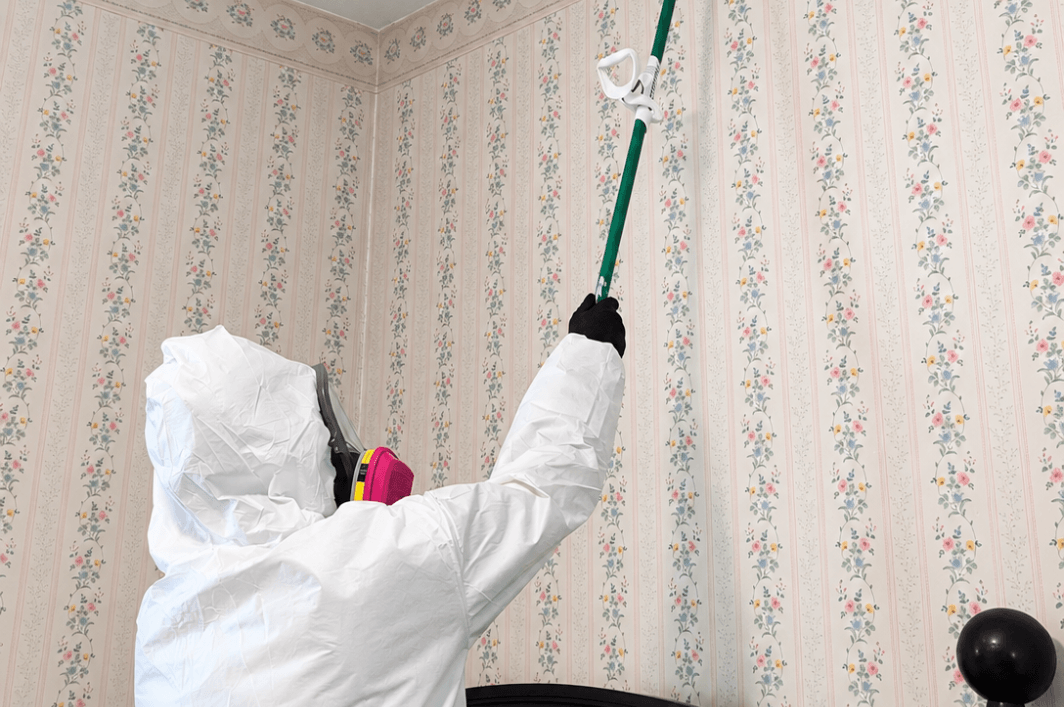
After first responders leave, a space may appear unchanged at a glance. In reality, there are often hidden risks that require specialized handling. A suicide clean up crew addresses:
- Biological hazards that are not visible to the eye
- Odor-causing contamination within porous materials
- The safe removal and disposal of affected items
- Complete sanitization of impacted areas
Without proper remediation, these risks can persist. This is not a standard cleaning situation. It requires training, equipment, and strict protocols. More importantly, it removes the burden from families who should not have to face these conditions themselves.
What a Suicide Clean Up Crew Actually Does
A professional cleanup process is structured, methodical, and focused on safety. Each step is designed to ensure that a space is not only clean—but truly restored.
1. Scene Assessment
Every situation is different. The first step is a detailed evaluation of the affected area. This includes:
- Identifying all impacted surfaces
- Determining the level of contamination
- Creating a targeted remediation plan
2. Containment and Safety Setup
Before any cleanup begins, the area is secured to prevent cross-contamination. This may involve:
- Isolating affected rooms
- Using protective barriers
- Ensuring proper ventilation
3. Removal of Biohazard Materials
Contaminated materials are carefully removed and handled according to safety regulations. Examples include:
- Carpeting or padding
- Upholstered furniture
- Structural materials, if necessary
4. Deep Cleaning and Disinfection
This step goes beyond surface cleaning. It includes:
- Hospital-grade disinfectants
- Specialized equipment for deep penetration
- Treatment of both visible and hidden contamination
5. Odor Elimination and Restoration
Odors can linger if not properly addressed at the source. A professional suicide clean up crew uses:
- Advanced deodorization methods
- Air filtration systems
- Techniques designed to restore indoor air quality
How Cleanup Supports the Healing Process
The physical environment plays a quiet but powerful role in emotional recovery. A space that feels unchanged can hold weight that makes it harder to move forward. Restoration is not just practical—it can be deeply symbolic. When a suicide clean up crew completes their work, the goal is not simply to remove what is visible. It is to return the space to a condition where families can begin to exist in it again without constant reminders of what occurred. This process often supports healing in ways that are not immediately obvious. It creates distance from the moment. It allows families to re-enter a space on their own terms. It removes the pressure of facing something they were never meant to handle alone.
Who Typically Calls a Suicide Clean Up Crew?
Many families are unsure who is responsible for arranging cleanup services. In most cases, one of the following individuals takes that step:
- Immediate family members
- Property owners or landlords
- Estate representatives
- Property managers
Timing is also a common concern. Cleanup typically begins after authorities have completed their work and the scene has been released.
The Role of Compassion in Professional Cleanup
Technical expertise is essential, but it is only part of the work. The way a situation is handled matters just as much as the outcome. A professional suicide clean up crew approaches each job with a balance of precision and discretion. Communication is kept clear and simple. The process is explained without overwhelming detail. The presence of the team remains as low-profile as possible. Every decision is made with respect for the people involved and the situation they are navigating.
Why Access to Professional Cleanup Services Matters
In many areas, access to trained cleanup professionals is not guaranteed. When services are limited or delayed, families are left with fewer options and more uncertainty. Having access to a qualified suicide clean up crew means:
- Faster, safer response when it matters most
- Proper handling of hazardous materials
- A reduced emotional and logistical burden
This is part of a larger issue that affects communities more broadly. The importance of availability, response time, and trained support is explored further in Why Access to Professional Cleanup Service Matters.
What Sets Professional Cleanup Apart
A common question is what differentiates a professional suicide clean up crew from general cleaning services.
Here’s a clear comparison:
This distinction is critical. The risks involved require more than routine cleaning methods.
Signs a Space Requires Professional Cleanup
Not every situation presents itself clearly. In some cases, the need for professional cleanup becomes apparent over time rather than immediately. There are certain indicators that suggest a suicide clean up crew is necessary:
- Visible or suspected presence of blood or bodily fluids
- Persistent odors that do not dissipate
- Materials that may have absorbed contamination
- Areas that cannot be safely addressed with standard cleaning methods
When these conditions exist, professional remediation is the safest path forward.
Supporting Families Without Adding Burden
During a difficult time, even small decisions can feel overwhelming. The role of a cleanup team is to simplify the process as much as possible. This means providing clear guidance from the start, handling the full scope of the work, and ensuring that nothing is left unresolved. The goal is not just to complete a task, but to remove a responsibility that families should not have to carry. A suicide clean up crew operates with that understanding at every stage.
Common Questions Answered Clearly
Who pays for suicide cleanup?
Payment depends on the situation, but many homeowners insurance policies may cover the cost when the incident occurs in a residence. Coverage varies, so reviewing the policy or speaking directly with a provider is important. When insurance does not apply, responsibility typically falls to the property owner or the estate.
How much does suicide cleanup cost?
Costs vary based on the size of the affected area, the extent of contamination, and the materials involved. Some situations require minimal intervention, while others involve deeper remediation. Because each case is different, accurate pricing is usually determined after an on-site assessment.
Who is responsible for cleaning up a suicide?
Responsibility generally falls to the property owner. In private homes, this is often the family. In rental situations, it may be the landlord or property manager. In most cases, those responsible choose to work with a professional suicide clean up crew to ensure the process is handled safely.
What This Process Makes Possible
A loss changes the space it touches. Restoring that space is one of the first steps toward reclaiming a sense of normalcy. Working with our professional suicide clean up crew allows families to:
- Return to a space that feels safe again
- Avoid exposure to hidden risks
- Step away from responsibilities that are not theirs to carry
- Begin moving forward without added strain
If support is needed, speak with us today. Our team will help you understand what the next steps are and provide you with the guidance you deserve.