When a suicide death occurs, time can feel suspended while decisions arrive all at once. Law enforcement, medical professionals, and investigators may need to enter the space before families have a moment to process what has happened. Questions surface quickly, especially around what happens after a suicide death and what steps follow in the first critical hours.
In our experience, concerns about the safety of the property often emerge early, alongside uncertainty about what should or should not be handled personally. This is why our suicide cleanup services are designed to support families during this difficult period, while trying to navigate shock, grief, and uncertainty at the same time.
What Happens After a Suicide Death: Day One
The First Few Hours: Immediate Aftermath (0–6 Hours)
Discovery and Emergency Response
When a death is discovered, the first action is usually calling 911. Even if death appears obvious, emergency services must respond.
What typically happens next:
- Police and emergency medical personnel arrive
- Paramedics confirm death
- The area is secured
- Initial observations are documented
At this stage, the scene is treated as a potential investigation. This is standard procedure.
Law Enforcement Involvement
Police officers will remain on-site while they determine what occurred. Their role includes:
- Verifying identity if possible
- Documenting the scene
- Notifying the medical examiner or coroner
- Determining whether further investigation is required
Family members may be asked basic questions. This can feel intrusive, but it is part of required protocol.
Access to the Property
In most cases, the property is temporarily restricted. This means:
- Loved ones may not be allowed to clean or remove items
- Certain rooms may be closed off
- Personal belongings may not be immediately released
This restriction remains until the authorities formally release the scene.
Early Investigation and Notifications (6–24 Hours)
Medical Examiner or Coroner Review
After law enforcement completes their initial assessment, responsibility shifts to the medical examiner or coroner. Their role is to formally determine the cause and manner of death based on medical and investigative findings.
Once this determination is made, the medical examiner authorizes the release of the body. This approval is required before any funeral home or transport service can proceed.
The medical examiner’s office also handles the medical certification needed to issue official death records. These documents are necessary for funeral arrangements, insurance claims, and other legal matters.
Depending on the circumstances, the examiner may require an autopsy. In other situations, a full external examination provides sufficient information, allowing the process to move forward without additional procedures.
Removal of the Body
A licensed funeral home or medical transport service removes the deceased from the property. Families may be asked:
- Which funeral home to contact
- Whether religious or cultural considerations apply
If no decision is made immediately, the medical examiner’s office will coordinate temporary arrangements.
Death Notification Process
If next of kin are not present, law enforcement handles official notification. This is often one of the most traumatic moments for families.
Once notification occurs, loved ones may begin contacting:
- Immediate family members
- Close friends
- Employers or schools
- Religious leaders or support systems
There is no right order. People move through this differently.
The First Night and Practical Decisions (24–36 Hours)
Emotional Shock Sets In
As the initial shock wears off, the weight of the loss often settles in. Many people describe feeling disconnected from what is happening around them, as though the moment is unreal.
Emotions can surface in unpredictable ways. Some feel numb or exhausted. Others experience disbelief, anger, or guilt. These reactions may shift hour by hour, or even minute by minute.
During this time, thinking clearly can be difficult. Making decisions may feel overwhelming or impossible. This is a natural response to trauma, not a failure to cope.
Funeral and Memorial Planning Begins
Within the first day, families are often faced with decisions they never expected to make so soon. These choices can feel heavy, especially when emotions are still raw.
Common decisions may include:
- Whether burial or cremation feels most appropriate
- When a service or gathering should take place
- How and where the deceased will be transported
- What, if anything, to share publicly through an obituary
There is no “right” way to approach these decisions. They do not need to be perfect or final. They only need to feel manageable at the moment.
Insurance and Employer Notifications
Some families begin early administrative steps, including:
- Contacting life insurance providers
- Notifying employers
- Asking about bereavement leave
These conversations can feel cold, but they help reduce pressure later.
Scene Release and Property Concerns (36–48 Hours)
When the Scene Is Released
Once investigators complete their work, law enforcement formally releases the scene. This is a critical moment.
After release:
- The property becomes the responsibility of the owner or family
- Cleanup is no longer restricted
- Access is restored
Many people expect the space to look unchanged. Often, it does not.
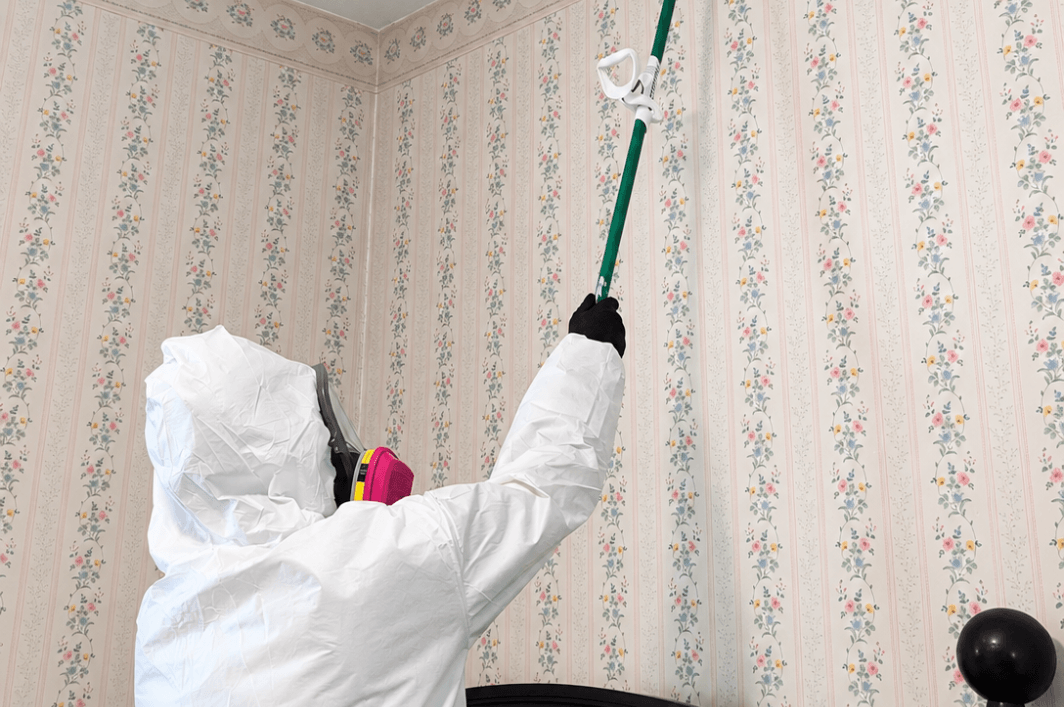
The Reality of Biohazard Cleanup
After a suicide death, blood and biological materials may remain. These substances can pose serious health risks and cannot be cleaned with regular household products.
Common issues include:
- Bloodborne pathogens
- Odors embedded in flooring or walls
- Contaminated furniture or personal items
This is where families often feel unprepared. The emotional toll of seeing the scene can be severe.
Why Professional Cleanup Matters
Attempting after death cleanup without training and equipment can:
- Expose people to health hazards
- Spread contamination
- Cause long-term property damage
- Intensify emotional trauma
Because of the emotional weight attached to these environments, professional suicide cleanup services should always be handled with care and a trauma-informed approach.
The Second and Third Day: Stabilization (48–72 Hours)
Professional Suicide Cleanup Services
Many families contact our Suicide Cleanup Specialists during this window.
Professional services typically include:
- Removal of all biohazard materials
- Deep sanitation and deodorization
- Disposal of contaminated items according to regulations
- Discreet, unmarked service vehicles
Support is always available, and our team moves quickly to be there when you call.
Insurance and Payment Questions
In many cases, homeowners or renters insurance may cover suicide cleanup. Coverage depends on:
- Policy language
- Property vacancy status
- Documentation from authorities
Suicide Cleanup specialists do whatever possible to help families navigate insurance claims directly, reducing stress.
Returning to the Space
For some, returning to the property feels impossible. For others, it is necessary.
People often choose to:
- Stay with family temporarily
- Delay returning to certain rooms
- Remove or replace furniture
- Seek grief counseling
There is no set timeline for grief.
Common Questions in the First 72 Hours
What happens after a suicide death if it occurs at home?
Emergency responders secure the scene, law enforcement investigates, and the medical examiner determines cause of death. The property is released after authorities complete their work.
Who is responsible for cleanup after a suicide death?
Once the scene is released, the responsibility falls to the property owner or family. Our professional suicide cleanup crew is strongly recommended to prevent health risks.
Can family members clean the scene themselves?
No. Biohazard exposure and emotional trauma make self-cleaning unsafe and damaging for most people.
How soon does cleanup need to happen?
Cleanup should occur as soon as possible after scene release. Delays can lead to permanent damage, lingering odors, and increased health risks.
Emotional Support and Grief Care
Emotional support is often needed long after the immediate logistics are addressed. In the days following a suicide death, people may struggle with isolation or feel pressure to appear “okay” before they are ready. Quiet support can be just as important as practical help.
Some individuals find comfort in speaking with trained grief counselors or crisis professionals who understand suicide loss. Others lean on trusted friends, family members, or faith leaders. There is no single path that works for everyone, and support needs may change over time.
Seeking professional mental health support is not a sign of weakness or inability to cope. It is a way to acknowledge the impact of loss and create space for healing, even when answers feel far away.
What Happens After a Suicide Death: At a Glance
- What happens after a suicide death follows a structured process involving emergency responders, law enforcement, and medical examiners
- The property is restricted until authorities release the scene
- Families are often required to make difficult decisions quickly
- Biohazard cleanup is a health and safety issue, not just a cleaning task
- Professional suicide cleanup services help protect both people and property
- Emotional support is just as important as practical action
If you are facing this situation now, you do not have to manage it alone.
Suicide Cleanup specialists provide compassionate, discreet, and professional suicide cleanup services nationwide. Our team is available 24/7 to answer questions, work with insurance providers, and help restore safety during an incredibly difficult time.