
What Happens After a Suicide Death: A Timeline for the First 72 Hours
February 19, 2026When a suicide occurs inside a home, the emotional weight can be overwhelming. In the midst of grief and shock, homeowners are often forced to confront difficult practical questions—especially if the property will eventually be sold. One common yet unique concern is who cleans up after a suicide and how the home can be safely restored before it is placed on the market.
The aftermath of a suicide frequently involves biological contamination. Blood and other bodily fluids may spread beyond what is immediately visible, penetrating floors, walls, furniture, and structural materials. Without proper suicide remediation, these substances can pose long-term health risks and create lingering damage inside the home.
Our role is to manage this process with professionalism, compassion, and strict attention to safety. By carefully restoring the affected areas, we help ensure the property can move forward toward repairs, inspections, and eventual sale while protecting everyone who enters the home.
Understanding What Happens After a Suicide in a Residential Property
In the immediate aftermath of a suicide, emergency responders and law enforcement focus on investigation and securing the scene. Their responsibility is to document the event and ensure the area is safe from a legal and investigative standpoint.
However, once the scene is released, families and property owners are left with an important question: who cleans up a house after a suicide?
Authorities do not perform suicide remediation. Instead, the responsibility shifts to professional cleanup specialists who are trained to remove dangerous biological materials and restore the environment safely.
Suicide scenes often involve contamination that spreads further than expected. Fluids may seep beneath flooring or into porous materials, and microscopic pathogens can remain even after surfaces appear clean.
Professional suicide cleanup service ensures these hazards are eliminated properly before the home is repaired, occupied, or listed for sale.
Families navigating this situation usually have many questions about safety, logistics, and what steps come next. For a broader overview of the process and what families should expect, see our guide on what families need to know about remediation.
Who Cleans Up After a Suicide?
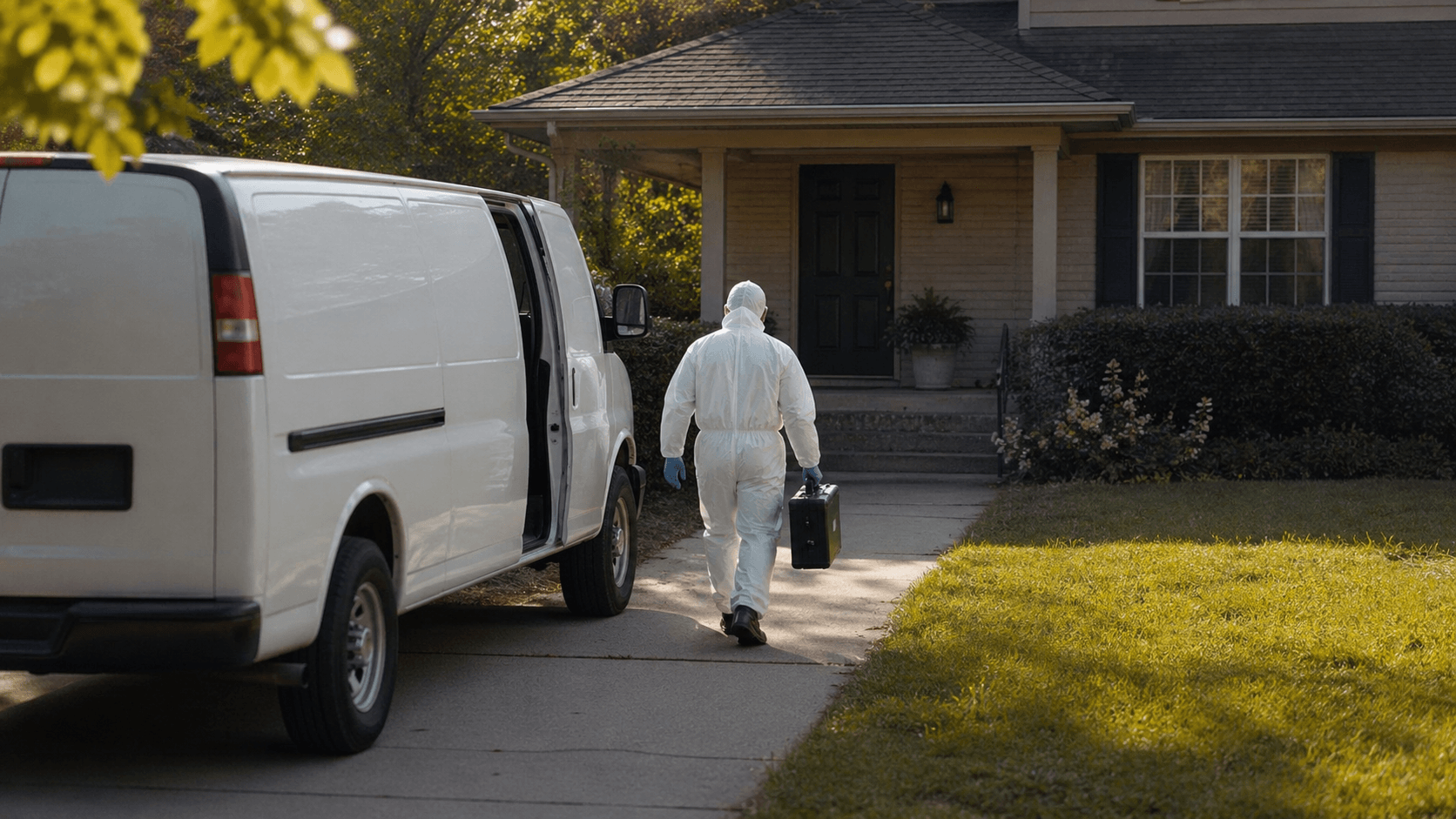
When homeowners ask who cleans up after a suicide, the answer is certified biohazard cleaners trained specifically for traumatic scene cleanup.
These professionals understand both the technical and emotional complexity of the situation. Our teams approach each property with respect, discretion, and careful attention to safety.
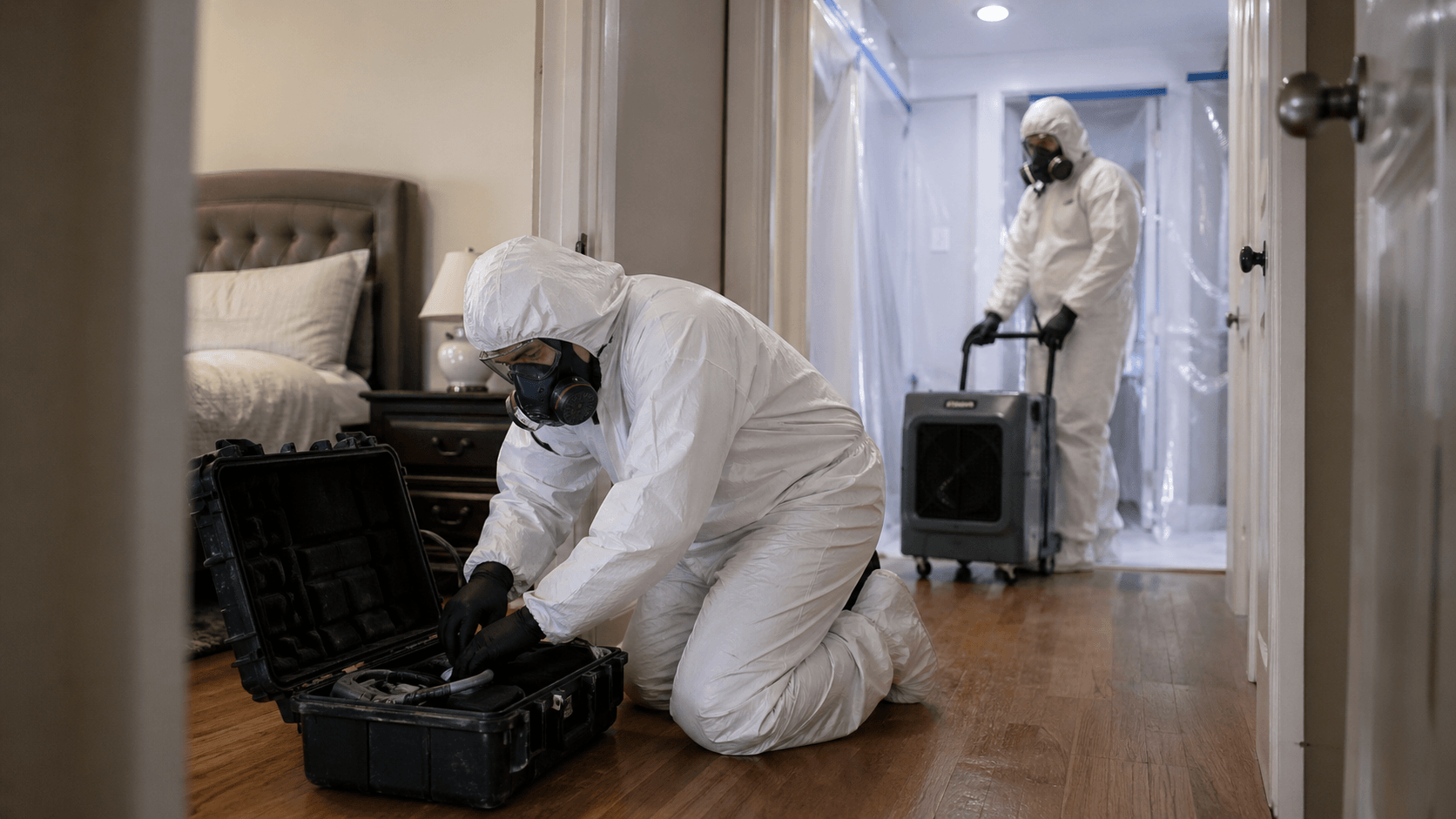
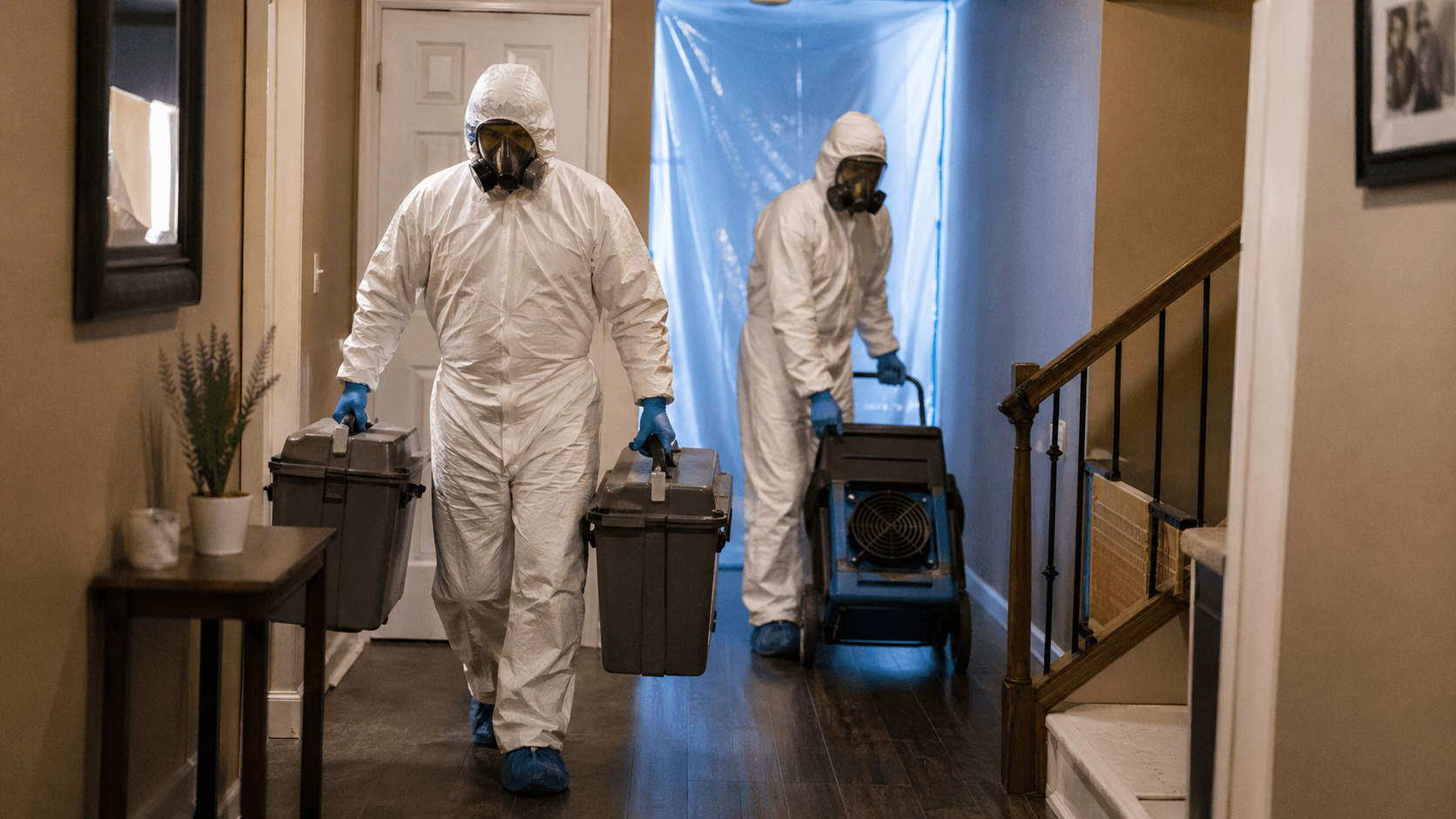
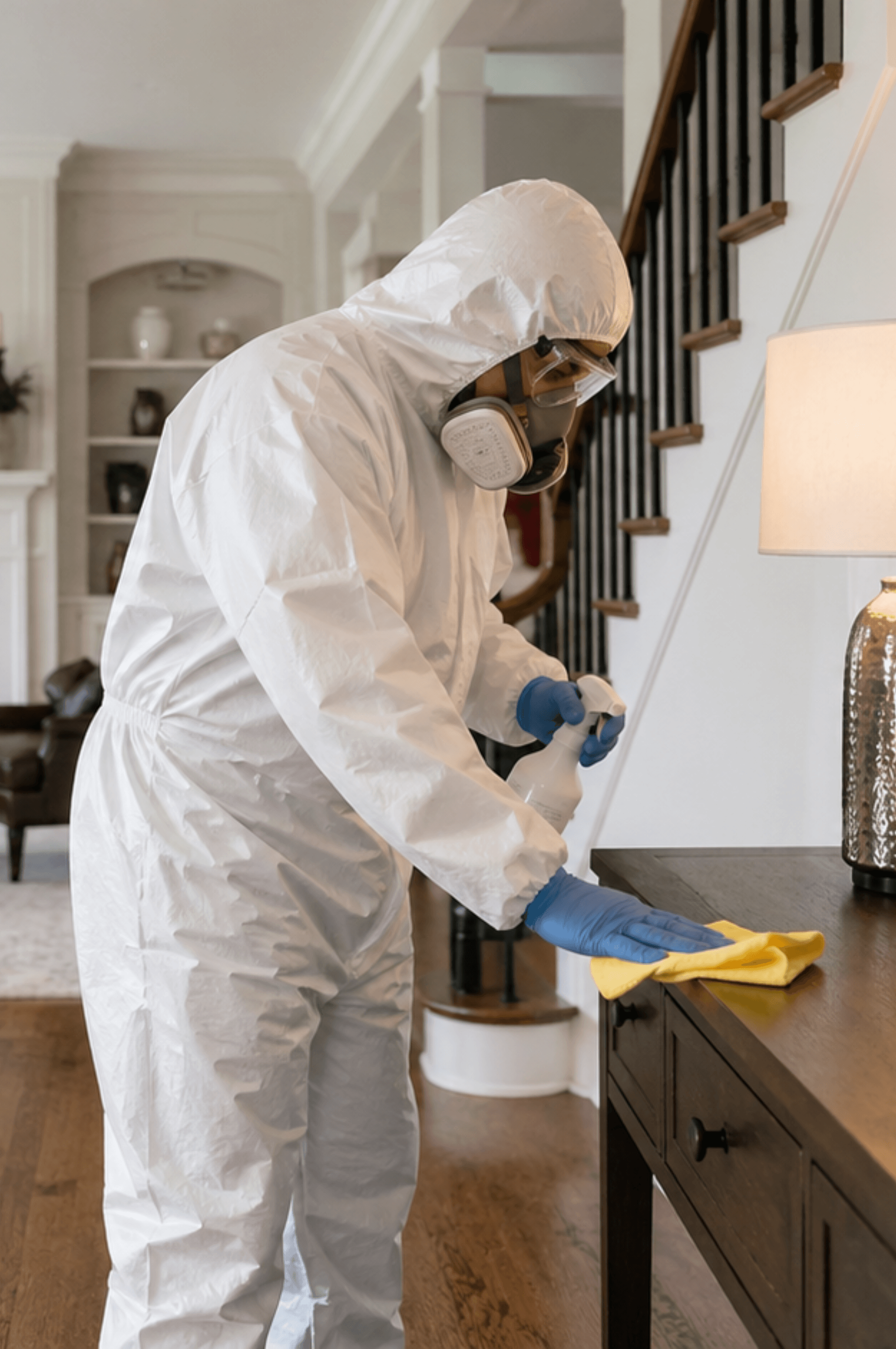
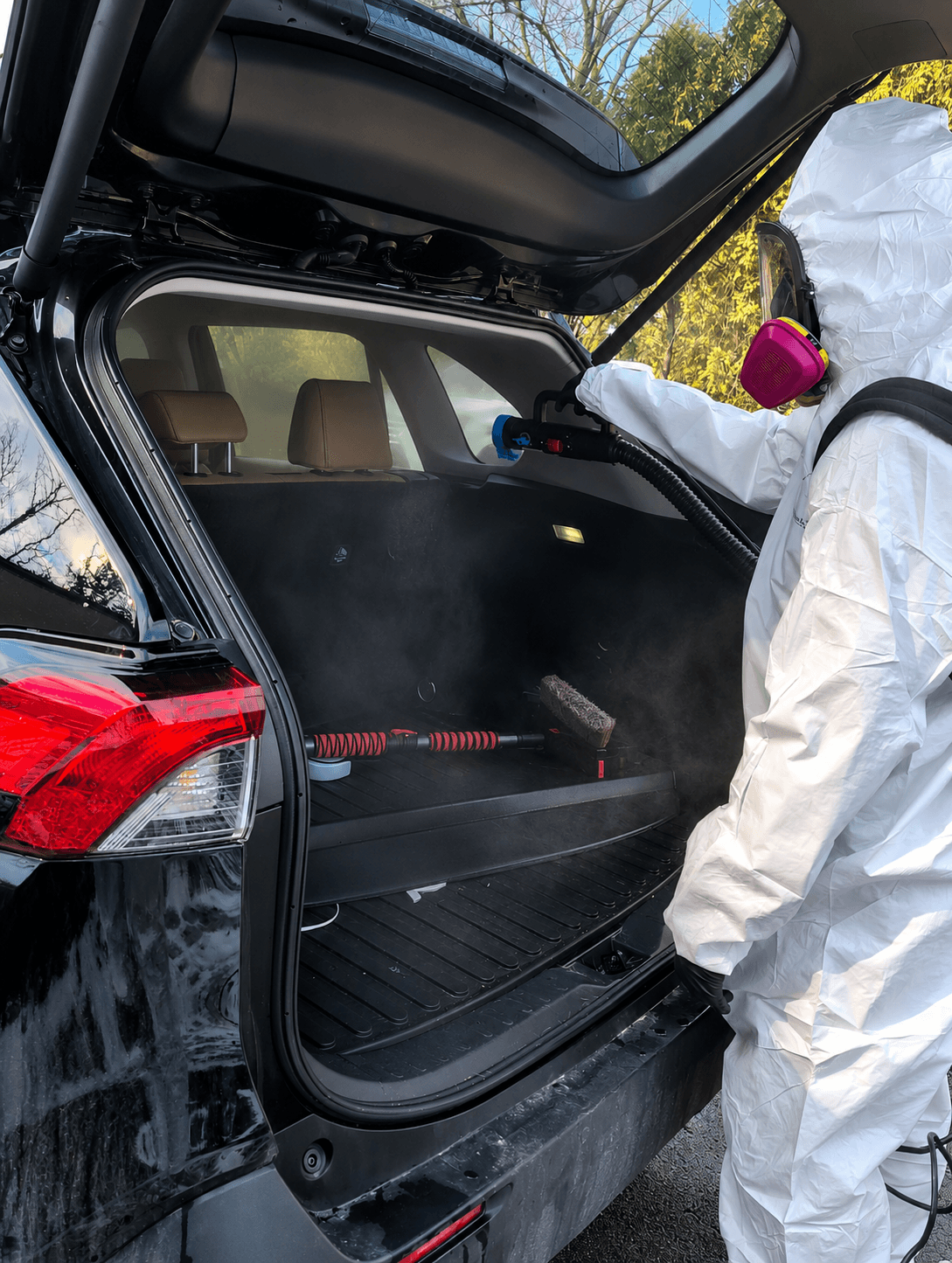
Specialized equipment and cleaning methods are required to remove biohazardous materials safely. This includes protective gear, containment systems, hospital-grade disinfectants, and regulated waste disposal procedures.
What Professional Suicide Cleanup Typically Includes
- Removal of blood and biological contamination
- Safe disposal of biohazardous waste according to regulations
- Deep cleaning and sanitation of affected surfaces
- Odor treatment and air purification
- Careful removal of materials that cannot be restored
Every step is designed to ensure the property is fully decontaminated and safe for future occupants.
Professional biohazard remediation also helps preserve the value of the property by preventing future damage and ensuring the environment is properly restored before sale.
Why Professional Suicide Cleanup Is Necessary Before Selling a Home
A suicide inside a residence can create significant environmental hazards. Bloodborne pathogens and biological materials may carry infectious diseases and bacteria capable of spreading illness.
Standard household cleaning methods cannot safely remove these risks.
Many homeowners initially ask who cleans up after a suicide because they assume basic cleaning may be sufficient. Unfortunately, incomplete cleaning can allow pathogens to remain inside the structure, creating future health hazards for occupants and buyers.
Professional remediation teams are trained to identify contamination patterns and remove hazards at the structural level when necessary.
This protects both the current homeowner and anyone who may live in the property in the future.
Health and Safety Regulations Followed During Suicide Cleanup
Professional suicide remediation is governed by strict health and safety regulations. These protocols protect both cleanup technicians and the public from exposure to dangerous biological materials.
Our team follows nationally recognized safety guidelines established by the Occupational Safety and Health Administration, the Environmental Protection Agency, and the Centers for Disease Control and Prevention. These agencies provide standards for handling biohazardous materials, protecting workers from bloodborne pathogens, and ensuring contaminated waste is safely transported and disposed of.
You can learn more about these safety standards through:
- OSHA workplace safety guidelines,
- EPA regulations for hazardous materials handling
- CDC guidance on infection exposure control
Safety Protocols Used During Professional Suicide Cleanup
- Personal protective equipment designed for biohazard environments
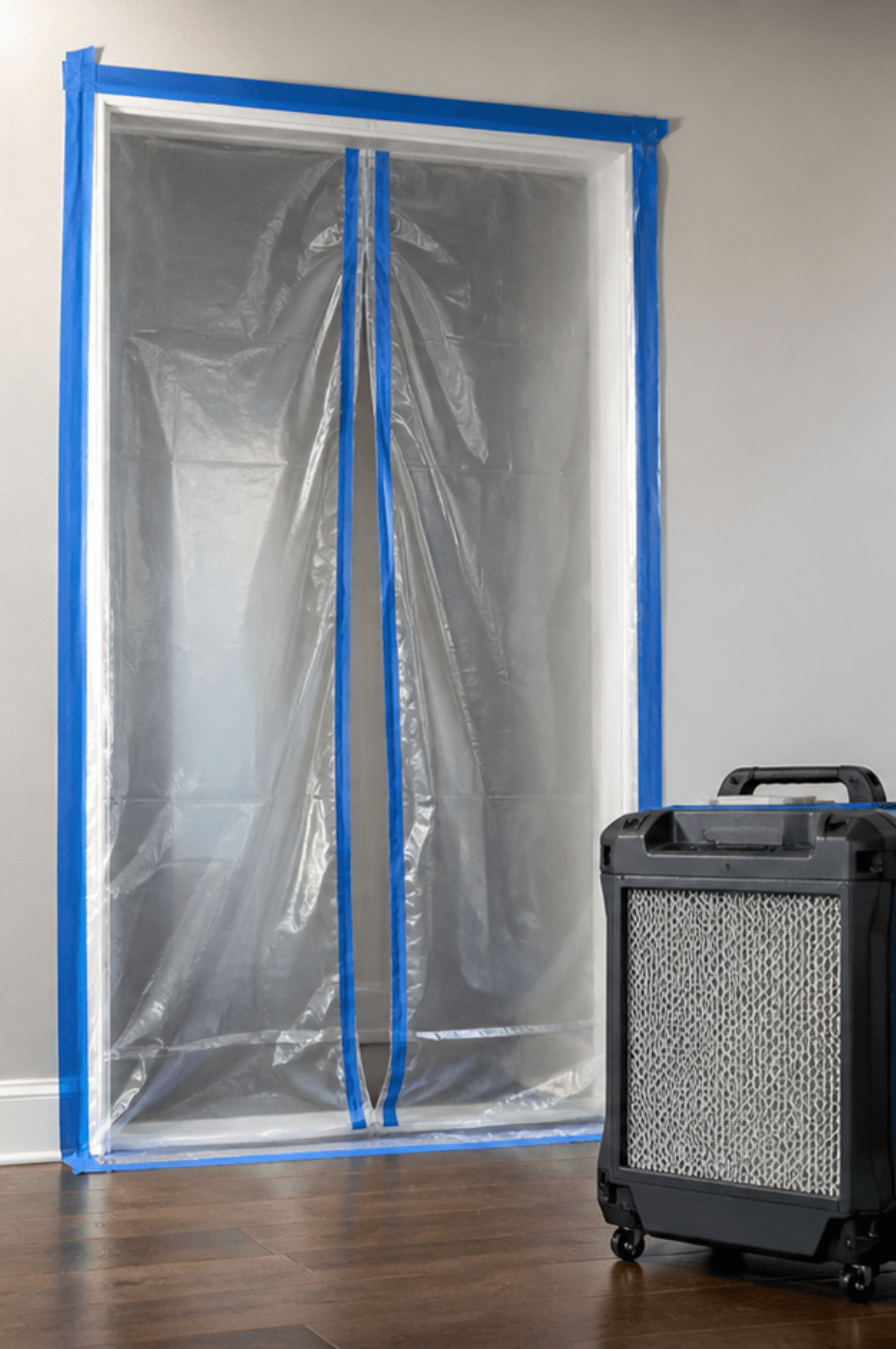
- Containment barriers to prevent cross-contamination
- Approved disinfectants that neutralize bloodborne pathogens
- Controlled handling and packaging of hazardous waste
- Transportation and disposal through licensed medical waste facilities
Every stage of the suicide cleanup process follows safety and environmental regulations. OSHA, EPA, and CDC standards inform how biohazardous materials are identified, controlled, and removed from the property.
What Homeowners Should Address Before Listing the Property
After a suicide occurs inside a home, several practical steps must be completed before the property can be prepared for sale.
Addressing these issues early helps prevent delays during the selling process.
Important Steps Homeowners Should Take
- Ensure law enforcement has officially released the property
- Contact a professional team to handle suicide remediation
- Document the cleanup process for insurance and legal records
- Evaluate whether structural repairs are necessary
- Understand disclosure requirements in the local real estate market
Taking these steps creates a clear path forward for restoring and eventually selling the home.
For many homeowners navigating this situation, the initial concern remains the same: who cleans up after a suicide in a home that will eventually be sold?
Professional suicide cleanup services ensure that this difficult step is handled safely and responsibly.
How Suicide Cleanup Protects Future Buyers and Occupants
When a home will be sold after a traumatic event, safety becomes a critical factor. Buyers expect a property that is free from hidden hazards and environmental risks.
Professional suicide remediation protects future occupants by eliminating contamination that may not be visible during routine inspections.
The cleanup process removes biological hazards and helps restore the home to a condition suitable for normal residential use.
How Professional Remediation Supports Property Restoration
| Concern | Risk to the Property | Professional Solution |
| Biological contamination | Potential exposure to pathogens | Biohazard removal and disinfection |
| Structural damage | Fluids penetrating floors or walls | Removal and replacement of affected materials |
| Lingering odor | Odors absorbed into surfaces | Professional odor neutralization |
| Buyer confidence | Uncertainty about safety | Documented remediation process |
When cleanup is handled correctly, the home can move forward through repairs, inspections, and the normal sales process.
Disclosure and Legal Considerations When Selling the Property
Real estate disclosure requirements vary depending on the state and local regulations. Some areas require sellers to disclose certain events that occurred inside the property, while others do not mandate disclosure if the event does not affect the physical condition of the home.
Because laws differ, homeowners often seek guidance from real estate professionals or legal advisors before listing the property.
Even in situations where disclosure may not be required, proper documentation of professional suicide cleanup services can help reassure buyers that the property has been restored safely.
When buyers ask questions about a property’s history, documentation showing that certified professionals handled the cleanup can provide reassurance that health risks were addressed.
Why Attempting Suicide Cleanup Without Professionals Is Risky
Families experiencing trauma sometimes feel pressure to handle cleanup themselves. This often happens before they fully understand the risks involved.
Biological contamination can expose individuals to infectious diseases. Improper handling of contaminated materials may also violate local waste disposal laws.
Without proper containment procedures, contamination may spread to additional rooms or surfaces.
This is why many families ultimately seek help after asking who cleans up after a suicide and learning that professional remediation is required to safely restore the environment.
Key Takeaways for Homeowners Facing This Situation
The aftermath of a suicide inside a home presents emotional and practical challenges. Homeowners planning to sell the property must ensure the environment is restored safely before moving forward with repairs or listing the home.
Several key points are important to remember.
- Who cleans up after a suicide: trained biohazard remediation specialists
- Cleanup requires specialized equipment and strict safety procedures
- Biological contamination can create long-term health risks if not properly removed
- Professional remediation protects future occupants and property value
- Documentation of cleanup can support transparency during the selling process
Professional remediation handled with care helps return the home to a safe condition and provides reassurance as homeowners move forward.
Compassionate Support When You Need It Most
No homeowner ever expects to face circumstances like this. When a suicide occurs in a property, the path forward can feel uncertain and overwhelming.
Our team provides discreet, respectful suicide cleanup services designed to restore safety while treating every property with dignity and care. We understand the emotional weight behind these situations, and we approach each cleanup with compassion.
If you need immediate assistance or guidance about who cleans up after a suicide in a residential property, our specialists are available to help.
You can contact Suicide Cleanup’s 24/7 team here.
We are here to restore safety to the property and support homeowners through the next steps with care and respect.