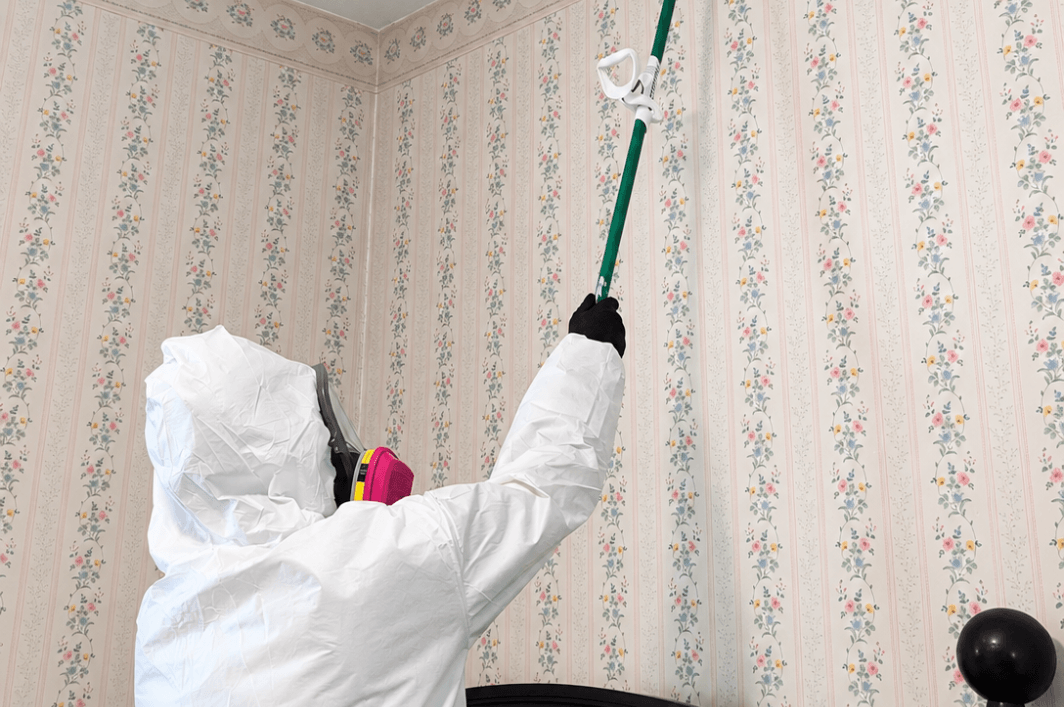

When a death occurs in a home, the experience is often disorienting. There is grief, uncertainty, and a series of decisions that most people have never had to face before. One of the most immediate and practical concerns is what happens to the space itself—and whether death cleanup is something insurance will cover. In many cases, it is. But the details matter. Coverage depends on the type of policy, the circumstances surrounding the death, and how the situation is documented. For those navigating this moment, understanding what is typically included—and what is not—can help remove some of the uncertainty. Our team provides support through our suicide cleanup services, and we regularly work alongside insurance providers to ensure the process is handled correctly and respectfully.
When Death Cleanup Is Covered by Insurance
Insurance coverage for death cleanup is often broader than expected. Most homeowners policies are designed to respond to sudden and unexpected events that cause damage to a property. When a death results in biological contamination, it is typically treated as a form of property damage. That means coverage is often available in situations such as:
- A suicide in the home
- An unattended death discovered after a period of time
- An accidental death involving biological fluids
- A homicide or traumatic incident
What matters most is how the event is classified. Insurance companies look at whether the damage is tied to a single, identifiable incident, rather than something that developed gradually over time. Even in complex situations, many policies still provide coverage—particularly when cleanup is necessary to restore the home to a safe, livable condition.
What Insurance Policies Typically Include
Death cleanup is not a surface-level process. It often involves layers of remediation that go beyond what is immediately visible. Because of this, insurance coverage tends to reflect the full scope of what is required.
Core areas that are commonly included:
- Biohazard remediation Careful removal of blood, bodily fluids, and contaminated materials
- Structural restoration Removal and replacement of affected flooring, drywall, insulation, or subfloor
- Odor treatment Specialized processes to address persistent decomposition odors that can linger in porous materials
- Hazardous material disposal Transport and disposal of contaminated waste in accordance with regulatory standards
- Temporary relocation support Coverage for hotel stays or alternative housing when the property is unsafe to occupy
How Coverage Works in Practice
Instead of viewing coverage as a single service, it is more accurate to think of it as a layered response:
Layer 1 — Immediate Safety
- Securing the area
- Preventing further exposure
Layer 2 — Contamination Removal
- Biohazard cleanup
- Removal of affected materials
Layer 3 — Restoration
- Structural repair
- Odor elimination
Each of these layers may be evaluated separately by an insurance adjuster, but they are all part of the same process of restoring the home.
What Insurance Does Not Always Cover
While many policies provide meaningful coverage, there are clear boundaries. Insurance may not apply in situations where:
- The damage is considered long-term or preventable
- The property had pre-existing structural issues
- The policy includes specific exclusions related to biohazards
- The claim is delayed or lacks proper documentation
Timing can play a significant role. In cases where a death goes undiscovered for an extended period, insurers may examine whether the resulting damage is still considered sudden or if it crosses into a category of prolonged exposure. These distinctions are not always straightforward. They are often based on policy language and the specifics of the situation.
A Closer Look at Unattended Death Cleanup
Unattended deaths are among the most complex scenarios in death cleanup. These situations can involve advanced decomposition, odor migration, and contamination that extends beyond the immediate area. What makes these cases different is not just the level of cleanup required—but how deeply the environment is affected.
Common challenges include:
- Fluids penetrating flooring and subfloor layers
- Odors spreading through HVAC systems
- Contamination reaching walls, insulation, or structural cavities
Despite this complexity, many insurance policies still provide coverage. The key factor remains whether the death itself is considered a covered event. In these cases, documentation becomes especially important. A clear record of conditions, damage, and remediation steps helps ensure that the scope of work is properly understood.
How Insurance Claims for Death Cleanup Are Handled
The claims process can feel unfamiliar, especially during an already difficult time. While each case is different, there is a general structure that most claims follow.
Step-by-step overview:
- Initial contact The insurance provider is notified as soon as possible
- Scene evaluation An adjuster or representative assesses the extent of damage
- Documentation review Photos, reports, and cleanup plans are submitted
- Coverage determination The insurer outlines what is included under the policy
- Remediation begins Cleanup and restoration are carried out according to the approved scope
- Final reconciliation Costs are reviewed and processed
What Helps a Claim Move Smoothly
Certain factors can make a meaningful difference:
- Prompt reporting of the incident
- Clear, detailed documentation
- Professional handling of the cleanup process
- Communication between all parties involved
These elements help reduce delays and ensure that the work aligns with insurance expectations.
Why Professional Cleanup Is Essential
Death cleanup is not simply a matter of cleaning visible surfaces. It involves exposure risks, regulatory requirements, and materials that cannot be safely handled without proper training and equipment. Professional death cleanup ensures:
- Compliance with safety and health regulations
- Proper containment of hazardous materials
- Thorough decontamination of affected areas
- Accurate documentation for insurance purposes
Attempting to manage this process without professional support can lead to incomplete remediation and potential complications with insurance claims.
Understanding the Cost of Death Cleanup
Costs vary widely depending on the situation. No two scenes are exactly alike.
Factors that influence cost:
- Time between death and discovery
- Size and layout of the affected area
- Type of materials involved (carpet, wood, concrete)
- Level of contamination
- Extent of odor penetration
In many cases, insurance coverage significantly reduces or eliminates out-of-pocket expenses. When coverage applies, it is often one of the most important forms of financial relief available during this time.
How This Connects to Broader Questions Families Have
In many cases, the responsibility for next steps falls on family members. Alongside grief, there is often a need to understand what comes next—both emotionally and practically.
Questions tend to expand quickly. What needs to be done in the home? How is the space made safe again? What does the process actually involve?
For many, gaining a clearer understanding of Suicide Cleanup Meaning can help bring structure to a situation that feels uncertain. It provides context around why professional cleanup is necessary and what steps are typically involved in restoring a space.
At its core, this process is not just about cleaning. It is about making an environment safe again, while allowing families the space to focus on what matters most.
Homeowners vs. Renters Insurance: Key Differences
Not all policies function the same way. The type of insurance involved will shape what is covered.
Homeowners Insurance
- Covers structural damage to the property
- Includes biohazard cleanup in many cases
- May provide coverage for temporary relocation
Renters Insurance
- Covers personal belongings
- Does not cover the structure itself
- May offer limited support depending on the policy
Side-by-Side Comparison
What to Do Immediately After a Death Occurs
In the first moments after a death is discovered, it can be difficult to know what steps to take. Focusing on a few key priorities can help bring structure to an otherwise overwhelming situation.
Immediate considerations:
- Ensure the space is secure
- Avoid disturbing the area
- Contact the appropriate authorities if needed
- Notify the insurance provider
- Arrange for professional cleanup
Taking these steps early can help protect both health and the integrity of any insurance claim.
A Clearer Understanding of What to Expect
- Death cleanup is often covered by insurance, especially when tied to a sudden event
- Coverage typically includes remediation, structural repair, and odor removal
- Unattended deaths are more complex but still frequently covered
- Documentation and timing play a significant role in claim approval
- Professional cleanup supports both safety and insurance compliance
Support When It’s Needed
Situations like these require care, discretion, and clarity. Our team works directly with families and insurance providers to ensure the process is handled thoroughly and respectfully, without adding unnecessary complexity. If you need guidance or have questions about your situation, you can reach us by clicking here.
Frequently Asked Questions
1. Is death cleanup covered by insurance?
Yes, in many cases. Homeowners insurance often covers death cleanup when the event is considered sudden and accidental. Coverage usually includes biohazard remediation, structural repair, and odor removal, depending on the policy.
2. Does renters insurance cover unattended death cleanup?
Renters insurance may cover personal property affected by contamination, but it typically does not cover structural cleanup. That responsibility usually falls to the property owner’s insurance.
3. How long does it take for insurance to approve a death cleanup claim?
Timelines vary. Some claims are reviewed within a few days, while more complex cases—especially those involving unattended death—may take longer due to additional inspections and documentation.
4. What factors affect the cost of death cleanup?
Cost depends on the extent of contamination, how long the scene was undiscovered, the materials involved, and the level of structural impact. Each situation is unique.