Biohazard cleanup requirements address worker protection and the proper treatment of contamination after a death. When blood or decomposition fluids affect your home, the work must account for the materials involved and the disposal rules that apply to your location.
At Suicide Cleanup Specialists, our trauma scene restoration begins with an assessment that defines the necessary work. We explain the proposed scope and handle the remediation so you don’t have to enter or clean the affected area.
What are the legal biohazard cleanup requirements?
We must follow the worker protection standards that apply to our employees and the rules governing regulated waste activities. A private home still functions as a workplace while our crew performs remediation.
The federal Bloodborne Pathogens Standard applies to covered employers whose employees have occupational exposure to blood or other potentially infectious material. Its requirements include:
- A written exposure control plan with review at least annually.
- Bloodborne pathogen training at initial assignment and at least annually afterward.
- An offer of hepatitis B vaccination to eligible employees.
- Required medical evaluation and follow-up after an exposure incident.
These obligations belong to the employer. You do not need to obtain a worker training certificate to hire us or approve cleanup at your property.
What certifications are required for biohazard cleanup?
Required qualifications depend on the assigned tasks and location. When reviewing credentials, check what each document actually verifies or authorizes.
A general claim of certification should identify the issuing organization and the work the credential covers. Ask us about current qualifications relevant to your home, including any required arrangements for waste transportation.
What needs to happen before cleanup begins?
Cleanup requires lawful access and approval from someone entitled to authorize the work. The following steps establish those arrangements without requiring you to inspect the scene.
- Confirm scene release. Ask the responsible agency whether any access restrictions remain. Removal of the deceased does not always mean investigators have finished.
- Identify the authorized contact. Tell us your relationship to the property so we can establish who can approve the work.
- Review the proposed scope. Confirm the affected areas and any planned removal of belongings or building materials before authorizing remediation.
- Arrange controlled access. Share building restrictions and keep other occupants away from the affected area while we prepare for the appointment.
You can contact us to discuss arrangements while officials still restrict access. On-site work must wait for the necessary clearance.
If important items remain in the room, describe the items to us from a safe location. Leave retrieval and handling to our crew.
How does our assessment determine the required work?
We use a biohazard risk assessment to establish the cleanup boundary and select controls for the job. The inspection considers:
- Visible contamination and possible movement into concealed spaces.
- Surface condition and the ability of each material to absorb fluids.
- Contact paths involving people or objects moved through the area.
- Physical hazards and access limitations that affect safe handling.
The scope can change when removal exposes another affected layer. If that happens, we document the finding and explain the additional work before seeking authorization to expand the scope.
How does an unattended death change the assessment?
An unattended death can require closer inspection of concealed materials when decomposition fluids have spread beyond the original contact area. Discovery delay matters, but elapsed time alone does not define the extent of contamination.
When cleaning a house after an unattended death, we consider indoor conditions alongside the affected materials. Warm conditions can accelerate decomposition, while flooring construction influences where fluids can collect.
Odor also requires interpretation. A smell in another room does not establish that biological fluids reached that room or that every surface there needs removal.
What protective equipment does biohazard remediation require?
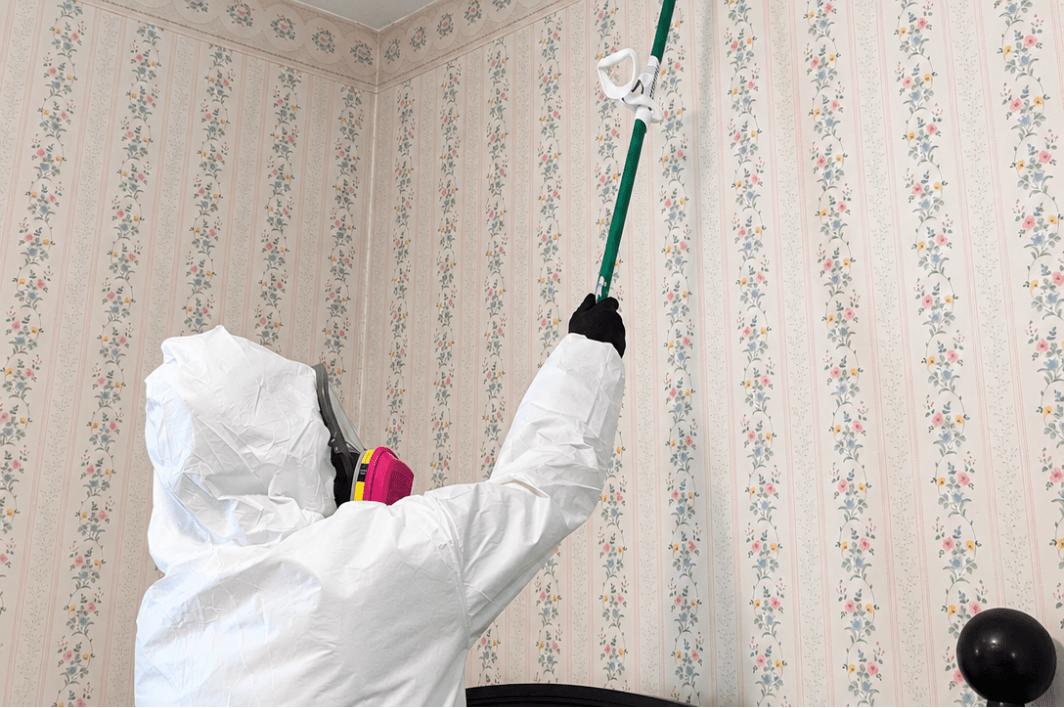
Our protective equipment must match the anticipated exposure and the task. Selection accounts for the cleaning products involved as well as contact with biological material.
The risks of bloodborne pathogens include exposure through contaminated punctures or contact with damaged skin. Splashes into the eyes or mouth create another route that hand protection alone cannot address.
When required respirator use applies, OSHA’s respiratory protection requirements include medical evaluation and an appropriate respiratory protection program. Tight-fitting respirators also require fit testing.
Our crew checks equipment condition and removes contaminated protection using controlled procedures. Equipment must function during the work and come off without transferring residue to clean clothing or supplies.
What must professional decontamination include?
Professional decontamination requires controlled removal followed by treatment of the remaining affected surfaces. Our work follows the assessment findings through these stages:
- Establish the work area. We separate the affected space from areas that remain in use and control movement across that boundary. Equipment placement and waste routes reflect the home’s layout.
- Remove biological material and items that cannot be restored. Our trauma cleaning addresses affected layers that surface treatment cannot reach. Removal decisions depend on absorption and access to the full contamination.
- Clean the remaining surfaces. We remove residue that can interfere with subsequent treatment. This prepares accessible surfaces for disinfection rather than relying on a product applied over biological material.
- Disinfect according to the label. EPA’s disinfectant label requirements make the product’s directions legally enforceable. Our crew follows the permitted use conditions, including the contact time that specifies how long the surface must remain wet.
Which belongings can we clean or preserve?
Recovery depends on whether we can reach and treat the affected parts of an item. An intact nonporous object generally offers better treatment access than absorbent filling inside furniture.
Seams and damaged finishes can complicate an otherwise straightforward surface treatment. We evaluate those features before recommending that an item remain in the home.
Identify important keepsakes before the work starts so we can discuss individual items. We cannot guarantee recovery, but proximity to the scene alone does not make every possession a disposal item.
Does odor removal require additional work?
Odor treatment can require further attention when a source remains concealed or surrounding materials have absorbed the smell. Our first priority is addressing the biological material producing the odor.
Air treatment can support that work, but it cannot replace removal of an unresolved source. The equipment and treatment needed depend on the conditions we find rather than a requirement to use the same deodorizing method in every home.
How do we handle infectious waste from your home?
Not every object in an affected room belongs in a regulated waste category. We classify waste according to its condition and applicable definitions before selecting the packaging and disposal route.
The EPA explains that medical waste regulation primarily falls to state environmental and health departments. Your property’s location therefore affects the requirements for our waste handling.
Our handling procedures account for the waste category and the hazards involved:
- Separate contaminated sharps from material that does not present a puncture hazard.
- Select containers that control leakage and withstand the expected handling.
- Apply required markings and secure packaged waste.
- Arrange transportation and disposal through an appropriate route.
- Retain the disposal documentation that applies to the job.
Are homeowners required to pay for biohazard cleanup?
The cleanup agreement establishes payment terms, and insurance may pay eligible charges. Available insurance coverage for death cleanup depends on your policy and the insurer’s claim decision.
Filing a claim does not automatically eliminate out-of-pocket costs. Confirm what you agree to pay before signing, especially if coverage remains under review.
Ask your insurer:
- Does my policy cover remediation related to this incident?
- What deductible or coverage limit applies?
- What documentation do you need before work begins?
- How will the policy address affected belongings and necessary repairs?
Notify your carrier promptly. Our team can provide documentation from the authorized assessment so you do not need to enter the scene to photograph it yourself.
For a rental property, tell us that an owner and tenant may have separate interests in the work. Confirm who can authorize structural removal and which insurance policy you need to contact before making payment assumptions.
How do we confirm completion and explain remaining repairs?
We inspect the treated area and review the work against the approved scope. Any conditions that require further attention need an explanation before we close out the job.
Keep the records relevant to your cleanup:
- The completed scope and any authorized changes.
- Documentation of affected materials or belongings removed.
- Applicable waste handling records.
- The final invoice and information about remaining work.
Remediation and reconstruction perform different jobs. For example, removing contaminated flooring can leave an exposed subfloor that still needs a new floor covering.
Your agreement should identify whether repairs form part of the quoted work. Discuss access with us before returning, because unfinished construction can leave physical hazards after contamination treatment ends.
Frequently asked questions
Do you need the deceased person’s medical history before cleanup?
We do not rely on a reported diagnosis to decide whether blood requires precautions. Our crew treats human blood as potentially infectious and assesses the exposure involved in the work.
What if someone already tried to clean the area?
Tell us which cleaning products someone used and which items people moved or removed. That information helps us evaluate possible transfer and account for chemical residues during assessment.
Does dried blood still need professional assessment?
Yes. Drying does not establish that blood is safe to handle. We evaluate affected surfaces and the possibility of contamination beneath the visible mark.
Can I coordinate cleanup without visiting the property?
You can contact us from another location to discuss arrangements. We confirm the authorized contact and property access requirements before scheduling the work.
How long does residential death cleanup take?
Timing depends on the affected materials and the work needed to reach concealed contamination. We explain the expected schedule after assessment and update you if the scope changes.
Key takeaways
Biohazard cleanup requirements connect worker protection to the conditions inside your home. Keep these points in mind when arranging service:
- Required training and applicable permits address different parts of the work.
- Assessment findings determine the cleanup scope and necessary material removal.
- Product directions and location-specific waste rules govern treatment and disposal.
- Coverage decisions and remaining repairs need clarification before you assume the job’s total cost.
Suicide Cleanup Specialists provides assistance throughout the United States, with support available 24/7. Contact us with your city and state to discuss your home’s cleanup needs and arrange a professional assessment.