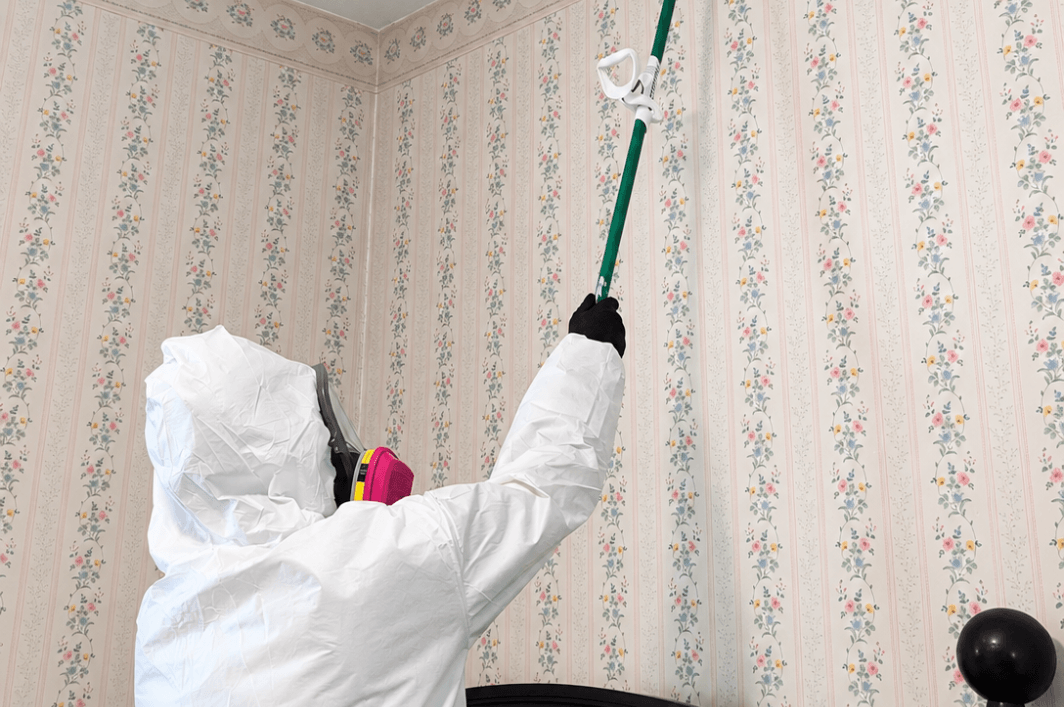
What you can see at a suicide scene may represent only part of the contamination. Blood and bodily fluids can enter flooring seams, soak into carpet padding, reach a subfloor, or transfer onto nearby objects.
A professional biohazard risk assessment identifies these risks before remediation begins. It gives our technicians a property-specific plan for controlling exposure, addressing affected materials, and preventing contamination from reaching clean areas.
Families shouldn’t have to make these decisions while grieving. Professional suicide cleaning services assess the scene and complete the remediation so you can avoid direct exposure and focus on the people who need you.
What Is a Biohazard Risk Assessment?
A biohazard risk assessment is a structured evaluation of biological hazards, exposure routes, affected materials, and property conditions. During suicide cleanup, it determines where contamination is present, where it may have traveled, and what controls the cleanup requires.
The process looks beyond visible blood or bodily fluids. It accounts for the room layout, material types, prior activity, hidden spaces, and anyone who could encounter the affected area.
The CDC’s biological risk assessment process begins by asking what could go wrong, who could face exposure, and how the work will occur. Although the CDC developed this framework for laboratories, those questions also support a thorough suicide scene evaluation.
What is the purpose of a biohazard risk assessment?
The purpose is to identify and control potential exposure before cleanup begins. Its findings determine how technicians contain the area, protect themselves, handle affected materials, and complete the work without spreading contamination.
An assessment also prevents the cleanup plan from relying on appearances. A stain on carpet may indicate contamination in the padding or subfloor, while material near a wall may have entered the baseboard or drywall edge.
What Are the Five Components of a Biohazard Risk Assessment?
A comprehensive biohazard risk assessment includes five connected components. Each one answers a different question about the scene and leads to a specific cleanup decision.
What is the first step in an assessment involving biohazards?
The first step is identifying the biological and physical hazards. At a suicide scene, this may include blood, other bodily fluids, contaminated sharps, broken materials, or objects that could puncture protective clothing.
Technicians also note conditions that could complicate the work. Poor access, damaged flooring, nearby belongings, and limited working space can change how our team controls the area.
How does an assessment evaluate exposure?
Exposure evaluation identifies how someone could come into contact with biological material. Possible routes include broken skin, a puncture wound, or contact with the eyes, nose, or mouth.
The CDC identifies hepatitis B, hepatitis C, and HIV among the common bloodborne pathogens that concern workers exposed to blood. Its current bloodborne infectious disease guidance explains how sharps injuries and contact with mucous membranes or non-intact skin can create exposure.
A risk assessment doesn’t claim that a specific pathogen is present. Our technicians treat human blood and other potentially infectious material with the precautions required for the scene.
How Technicians Identify Hidden Contamination
Technicians trace where biological material could have moved, absorbed, or transferred. This step establishes the true cleanup boundary rather than treating the visible stain as the edge of the affected area.
Movement through the area can widen the assessment scope. Walking across affected flooring, carrying linens, moving furniture, or using a mop may transfer residue beyond its original location.
Time also affects absorbent materials. Biological fluids may continue moving through carpet, unfinished wood, drywall, upholstery, or insulation until they reach a barrier or dry within the material.
Odor can indicate an unresolved source, but it doesn’t show where that source is. The assessment follows the likely contamination path instead of masking the odor or treating only the most noticeable surface.
How Material Type Affects the Cleanup Decision
Material type helps determine whether technicians can decontaminate a surface or need to remove part of it. Smooth, intact, nonporous surfaces generally allow more controlled treatment than damaged or absorbent materials.
Our technicians consider:
- Whether biological material remained on the surface or entered it
- How deeply the material may have absorbed contamination
- Whether the full affected area is accessible
- Whether cleaning would damage the material
- Whether the surface can remain wet for the required contact time
- Whether contamination reached an adjoining layer
- Whether treatment can address the source of an odor
Carpet, padding, unfinished wood, insulation, upholstery, and some drywall can hold contamination below the exposed surface. Wiping the visible side doesn’t address material that has entered those layers.
That limitation explains why trauma cleaning requires more than surface-level disinfection. Technicians must first locate the contamination, remove interfering material, and reach the affected surface before disinfection can work as intended.
How a Biohazard Risk Assessment Guides the Cleanup Process
The assessment becomes the working plan for suicide cleanup. It guides the job from initial containment through the final review without requiring a separate, generic process for every property.
- Establish the controlled area. Our team restricts access and defines safe locations for clean supplies, active work, and packaged waste.
- Select protective measures. Technicians choose protective clothing and equipment according to the hazards and tasks documented during the assessment.
- Remove biological material. The contamination map guides removal so technicians address affected areas beyond the most visible mark.
- Clean affected surfaces. Cleaning removes blood, bodily fluids, and other material that can interfere with disinfection.
- Apply an appropriate disinfectant. Technicians follow the product label, including its surface requirements and contact time.
- Review the completed scope. Our team compares the finished work with the original assessment and checks for conditions that require further attention.
This sequence may change when technicians uncover another affected layer. If carpet removal reveals contamination in the subfloor, our team updates the assessment and expands the work before moving to final treatment.
Why cleaning must happen before disinfection
Cleaning and disinfection serve different purposes. Cleaning removes biological material and other substances from the surface, while disinfection applies a product intended to act against specified microorganisms.
The CDC’s guidance on chemical disinfectants notes that large blood spills require cleaning before applying an appropriate disinfectant. Technicians must also keep the surface wet for the contact time stated on the product label.
Applying disinfectant over visible biological material doesn’t guarantee that the product will reach the underlying surface. The biohazard risk assessment helps our team choose a treatment based on the material and contamination depth rather than using one method everywhere.
Why the Assessment Can Change During Cleanup
An initial assessment reflects the conditions technicians can observe without unnecessarily disturbing the scene. Cleanup may reveal contamination beneath carpet, behind a baseboard, inside furniture, or under another affected material.
When our team finds additional contamination, technicians update:
- The boundary of the controlled work area
- The materials selected for treatment or removal
- The protective measures required for the new task
- The equipment and waste movement routes
- The time and work needed to complete remediation
- The final areas that require review
Updating the plan doesn’t mean the original assessment failed. It means the process continues as new parts of the affected structure become accessible.
Who Should Perform a Biohazard Risk Assessment?
A trained biohazard remediation professional should assess a suicide scene after the appropriate authority releases it. The evaluator must understand biological exposure, contamination transfer, affected building materials, protective controls, and the limits of disinfection.
Families and property owners shouldn’t lift flooring, move affected belongings, test materials, or search for hidden residue. Disturbing the area can create exposure, transfer contamination, and make the original pattern harder to trace.
A general cleaner may also lack the training or equipment needed to connect each condition to an appropriate response. A professional evaluator uses the findings to make specific decisions about containment, cleaning, removal, and waste handling.
Location should not leave a family responsible for this work. Reliable access to professional suicide and homicide cleanup gives families and property owners a qualified response when biological hazards remain after a scene is released.
What Does a Biohazard Risk Assessment Form Document?
A biohazard risk assessment form records the property conditions and required controls. It creates a consistent account of what technicians found, what actions the scene requires, and how the scope changes during cleanup.
A practical form may document:
- Property and affected-area information
- Visible and suspected hidden contamination
- Exposure routes and physical hazards
- Material types and surface conditions
- Containment and protective equipment
- Items selected for treatment or removal
- Equipment and waste movement routes
- Additional conditions uncovered during remediation
- Final checks against the completed scope
The form supports professional judgment rather than replacing it. A standard checklist cannot predict every flooring gap, concealed cavity, or transferred object technicians may encounter.
What Should You Do Before the Assessment?
Keep people away from the area and leave potentially affected objects in place. Wait until law enforcement or the appropriate authority releases the scene before arranging cleanup access.
Take these steps while you wait for our team:
- Keep family members, visitors, and pets away.
- Don’t touch blood, bodily fluids, sharps, or affected belongings.
- Leave flooring, furniture, and linens where they are.
- Avoid running fans or equipment that could affect the area.
- Don’t apply household cleaners or attempt to cover odors.
- Tell our team if anyone entered or moved an object.
- Share information about hidden spaces or recent property work.
You don’t need to estimate the risk or decide what can be saved. Our technicians will inspect the property, explain the scope, and handle those decisions.
Professional remediation also removes a painful responsibility from those closest to the loss. A qualified suicide cleanup crew helps families begin moving forward by managing the physical aftermath without asking them to confront the scene themselves.
Frequently Asked Questions
Is a biohazard risk assessment the same as cleanup?
No. The assessment identifies the hazards and defines the remediation plan. Cleanup carries out that plan through containment, material removal, cleaning, disinfection, controlled waste handling, and final review.
How long does a biohazard risk assessment take?
The time depends on the size of the affected area, accessibility, surface types, and possible contamination spread. An area involving several rooms or concealed structural materials requires a broader evaluation than a contained scene.
Can the assessment determine which belongings can be saved?
The assessment helps determine whether an item can support effective decontamination. Material porosity, condition, contamination depth, accessibility, and the ability to treat the full affected area guide that decision.
Does the assessment happen before law enforcement releases the scene?
Cleanup arrangements should begin after law enforcement or the responsible authority releases the scene. Until then, avoid entering, moving objects, or disturbing potential evidence.
Do the four laboratory biosafety levels apply to suicide cleanup?
Not in the same way. Laboratory biosafety levels address containment for work involving specific biological agents, while suicide cleanup requires a property-specific evaluation of human biological material, exposure routes, and affected surfaces.
Can a standard biohazard risk assessment form replace an inspection?
No. A form organizes the findings, but a trained professional must still inspect the conditions and apply judgment. Every scene has different materials, transfer patterns, access concerns, and hidden areas.
A Biohazard Risk Assessment Defines the Cleanup Plan
A professional biohazard risk assessment replaces assumptions with a defined scope. It identifies exposure concerns, maps potential contamination, evaluates affected materials, and determines the controls our technicians need.
That plan allows our team to address both visible and concealed areas while adjusting the work when new conditions appear. It also keeps families from taking on a hazardous and emotionally difficult responsibility themselves.
Suicide Cleanup Specialists provides discreet biohazard remediation throughout the United States. If a suicide has affected your home, rental property, business, or vehicle, contact us for immediate guidance and a professional assessment.