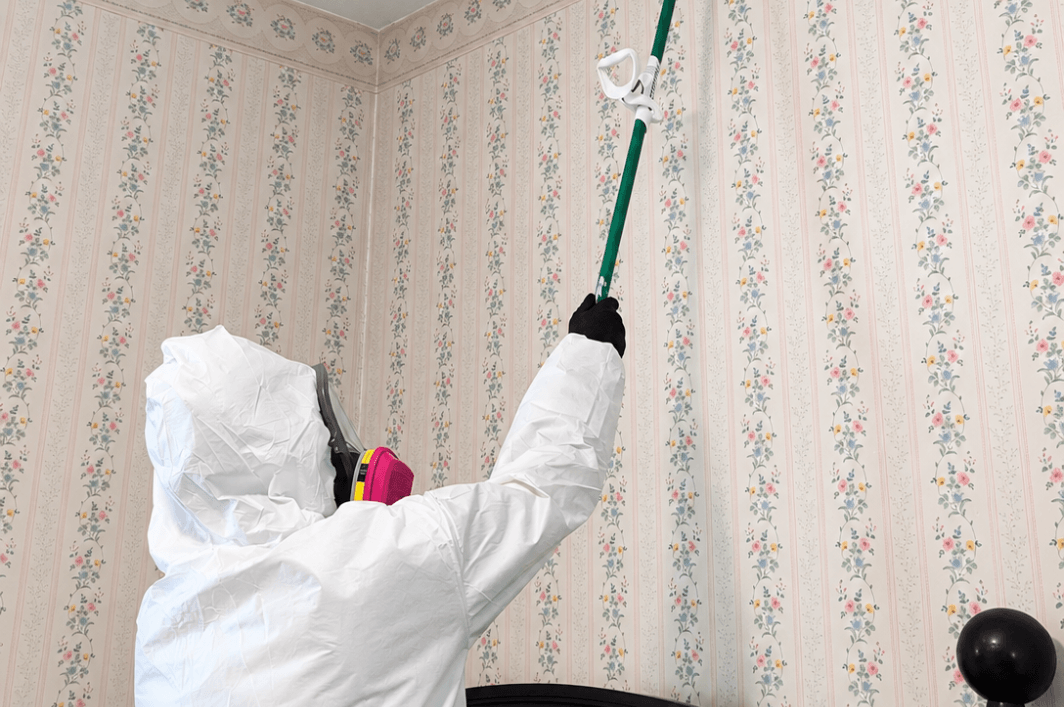

What appears to be one affected area can extend beneath flooring, into porous materials, and onto nearby belongings. Cleaning a house after an unattended death requires more than removing visible residue because the full cleanup scope depends on how biological material moved through the property.
Work can begin after authorities release the scene. From there, professional cleaning services assess the affected area, remove materials that cannot be restored, disinfect remaining surfaces, address decomposition odor, and determine when the property is ready for safe re-entry.
What Should You Do After Discovering an Unattended Death?
Call 911, leave the immediate area, and keep others away. Do not touch the person, move belongings, open windows, or begin cleaning.
Authorities must examine the circumstances even when the death appears natural. Disturbing the area could expose you to biological material or interfere with an investigation.
Immediate Steps to Follow
- Leave the room without approaching the person.
- Call 911 from a safe location.
- Keep children, visitors, and pets away.
- Do not touch blood, bodily fluids, or nearby objects.
- Wait for law enforcement or medical personnel.
- Notify the property owner if the death occurred in a rental.
- Arrange cleanup after the responsible agency releases the scene.
Who Arranges Cleanup After Authorities Leave?
The property owner or an authorized representative usually arranges the cleanup. Police, medical examiners, coroners, and funeral homes do not normally remediate the house.
An ordinary cleaning company isn’t equipped to control biological contamination or manage regulated waste. Unattended death cleanup requires trained handling, exposure controls, appropriate disinfectants, and decisions about materials that cannot remain in the property.
When Can Cleanup Begin?
Cleanup can begin after law enforcement, the medical examiner, or another responsible agency releases the scene. Removal of the deceased does not always mean investigators have finished their work.
Ask the responding agency to confirm that the property is released. Do not enter an area that remains restricted.
Why Surface Cleaning Is Not Enough
Visible staining does not always show the full affected area. Decomposition fluid may pass through carpet, padding, flooring seams, baseboards, and openings around walls.
Wiping a finished surface cannot reach fluid underneath it. Removing a stain while leaving the source in place allows biological material and decomposition odor to remain.
The federal OSHA Bloodborne Pathogens Standard requires employers with occupational exposure to use controls for blood and other potentially infectious material. It also requires affected work surfaces to be decontaminated.
What Determines the Extent of Contamination?
Technicians use the conditions of the scene to determine how far the inspection should extend. Important factors include:
- Location and position of the deceased
- Time between death and discovery
- Temperature and humidity
- Flooring type and condition
- Cracks, seams, or openings in the floor
- Contact with furniture or bedding
- Insect activity
- Movement through the room before it was secured
- Possible transfer into wall or floor cavities
Intact sealed tile may resist penetration better than carpet installed over wood. Carpet, padding, seams, and subflooring create several layers where fluid can collect.
Does the Entire House Need Biohazard Cleaning?
No. The entire house does not automatically require biohazard remediation after an unattended death.
One room may contain the primary contamination while nearby spaces require inspection for transfer, odor, or insect activity. Technicians establish the cleanup boundary from evidence instead of assuming contamination stopped at the visible stain or spread throughout every room.
How Is the Affected Area Identified?
The inspection follows possible routes that biological material could have taken. Technicians may examine:
- Flooring edges and room transitions
- Carpet and padding
- Baseboards and lower walls
- Furniture near the affected area
- Hallways used by occupants or responders
- Rooms with odor or insect activity
- HVAC components when conditions support further inspection
Odor in another room does not prove that biological material reached that space. It may point to an unresolved source or absorption into porous materials that needs closer evaluation.
How Is a House Cleaned After an Unattended Death?
Professional cleanup separates the work area from unaffected parts of the house. The exact scope changes with the property, but the main stages remain consistent.
1. Inspect and Document the Scene
Technicians document affected surfaces, odor sources, belongings, and structural materials requiring closer inspection. These findings define the proposed work and help explain necessary removal to the property owner or insurance carrier.
2. Establish Containment
Containment restricts access and separates the work zone from clean spaces. Technicians control how people, tools, and waste enter and leave the area.
The setup depends on the layout. A closed bedroom presents different access concerns than an open living room connected to the rest of the house.
3. Remove Biological Material
Technicians remove biological matter and disposable materials using protective equipment and controlled handling procedures. Waste is packaged for transportation and disposal under applicable requirements.
The EPA explains that medical waste is primarily regulated by state environmental and health departments. Requirements differ by location, so contaminated material should not be placed in household trash without determining which rules apply.
4. Remove Materials That Cannot Be Restored
Absorbent materials may require removal when fluids have penetrated beneath the surface. The cleanup scope should identify each affected material and explain why it cannot be safely restored.
Common examples include:
- Carpet and padding
- Sections of finished flooring
- Subfloor materials
- Baseboards
- Drywall and insulation
- Upholstered furniture
- Unfinished or damaged wood
Removal should remain limited to affected materials. Unnecessary demolition raises costs without improving the result.
5. Clean and Disinfect Remaining Surfaces
Technicians remove residue and organic material from surfaces that can remain. They then apply a disinfectant suited to the material and intended use.
The EPA maintains lists of EPA-registered disinfectant products. Each product must be used according to its label, including dilution instructions, surface restrictions, application method, and contact time.
6. Remove the Source of Decomposition Odor
Odor treatment starts with removing the contaminated material producing the smell. Fragrance, paint, and air fresheners may cover the odor temporarily but cannot remediate its source.
Technicians then treat affected surfaces and evaluate porous items that absorbed odor. Air treatment can support the process, but it cannot replace physical removal and decontamination.
7. Verify the Area and Prepare for Repairs
A final inspection checks for remaining biological material, unresolved odor, and surfaces requiring further treatment. Repairs can begin after remediation is complete.
Remediation removes contamination. Reconstruction replaces flooring, drywall, baseboards, and other building materials removed during the work.
Which Materials Can Be Cleaned or Saved?
Nonporous materials generally have better recovery potential because they resist absorption. Porous items require closer evaluation because fluids and odors can penetrate beneath their surfaces.
Do not sort belongings inside the affected room before an assessment. Moving boxes, clothing, or furniture may transfer residue into a clean area.
What Happens to Personal Belongings?
Belongings are evaluated by material, condition, proximity, and exposure. Jewelry, glass, sealed containers, and some keepsakes may be recoverable, while saturated fabrics and particleboard are less likely to be restored safely.
The decisions involved in cleaning after death and personal belongings become especially important when photographs, documents, or heirlooms remain in the affected area. Identify important items before work begins so each one can receive individual consideration.
Can You Clean an Unattended Death Scene Yourself?
You should not attempt cleanup when blood, decomposition fluid, tissue, persistent odor, or affected building materials are present. Household gloves and retail cleaners do not provide containment, safe waste handling, material removal, or final verification.
OSHA’s current bloodborne pathogen worker-protection guidance applies universal precautions to human blood and other potentially infectious materials. Professional teams must also account for chemicals, sharp objects, damaged flooring, and other hazards within the scene.
DIY cleaning can transfer residue into unaffected rooms, leave contamination beneath building materials, or result in improper disposal.
What Affects the Cost of Unattended Death Cleanup?
There is no reliable flat rate for cleaning a house after an unattended death. Penetration into building materials often affects the cost more than the room’s total square footage.
A responsible estimate should identify removal, disposal, odor treatment, and documentation. It should also state whether reconstruction is included.
Does Insurance Cover Unattended Death Cleanup?
Homeowners insurance may cover biohazard remediation and resulting property damage, but coverage is not guaranteed. The decision depends on the policy, cause of loss, exclusions, deductible, and documentation.
Notify the carrier promptly, but do not enter the scene to take claim photographs yourself. Our explanation of death cleanup insurance coverage provides more detail about structural repairs, personal property, temporary housing, and common claim requirements.
What Documentation May Support a Claim?
Cleanup technicians can document the property without asking you to enter the affected area. Useful claim records include:
- Incident or case number
- Date authorities released the scene
- Photographs taken by authorized personnel
- Written remediation scope
- Itemized estimate
- List of discarded belongings
- Waste and disposal records
- Cleanup and repair invoices
- Communications with the adjuster
Renters should notify both the landlord and their renters insurance carrier. The property owner’s policy may apply to structural damage, while renters insurance may address eligible personal property or temporary housing.
When Is the House Safe to Enter Again?
A house is ready for re-entry when affected materials have been removed or decontaminated, the work area has passed final inspection, and no remaining work creates an access hazard. Removal of the deceased or disappearance of the odor does not establish safe conditions.
Some properties can remain occupied outside a contained work area. Temporary vacancy may be necessary when safe access cannot be maintained or contamination affects essential rooms.
Questions to Ask Before Re-Entry
Before returning, ask:
- Which rooms were included in the cleanup?
- Which materials were removed?
- Do any areas remain restricted?
- What repairs still need completion?
- When can belongings be returned?
- Is follow-up work required?
- Which records should be retained?
A remediated room may still have an exposed subfloor or missing drywall. Biological contamination may be gone, but the area can remain restricted until repairs remove physical hazards.
Frequently Asked Questions
How much does it cost to clean out a house after someone dies?
The cost depends on whether the house needs an ordinary estate cleanout, biohazard remediation, or both. Removing uncontaminated furniture differs from treating decomposition fluid, removing flooring, and managing regulated waste, so an inspection is necessary for accurate pricing.
How long does unattended death cleanup take?
A contained scene may be remediated within a day, while advanced contamination can take longer. Structural removal, affected belongings, access restrictions, and the size of the work area influence the schedule.
Does an HVAC system always require cleaning after an unattended death?
No. Technicians evaluate the HVAC system when airflow, odor, or physical evidence indicates that it may have been affected. Its operation during the discovery delay does not automatically mean every duct requires remediation.
Can a house be sold after an unattended death?
Yes. Complete remediation, necessary repairs, and retained documentation help establish the property’s condition. Death disclosure requirements differ by state, so owners should seek qualified local guidance before listing the home.
Moving From Discovery to Safe Re-Entry
Cleaning a house after an unattended death requires decisions based on the actual conditions inside the property. A complete response accounts for hidden contamination, affected building materials, personal belongings, waste disposal, insurance documentation, and any repairs needed before the space can be used again.
Suicide Cleanup Specialists helps families and property owners move from scene release through remediation with clear guidance and discreet support. If you need help determining the next step for your property, contact our 24/7 team.