The risks of bloodborne pathogens during crime scene cleanup include infection when contaminated blood enters your body through damaged skin or a puncture wound. Splashes into your eyes or mouth also create an exposure route, including when you move affected belongings before cleaning begins.
Our professional crime scene cleanup addresses these hazards through controlled handling and decontamination. At Suicide Cleanup Specialists, we assess the property so you don’t have to inspect contaminated materials yourself.
What Are the Health Risks of Bloodborne Pathogens?
Bloodborne pathogens can cause infections that damage the liver or weaken the immune system. The main bloodborne infectious disease concerns include these viruses.
Blood contamination does not prove that a particular virus is present, and contact does not automatically mean infection. Nevertheless, we treat human blood as potentially infectious rather than relying on someone’s appearance or reported medical history.
How Does Exposure Happen During Crime Scene Cleanup?
Exposure occurs when infectious material reaches an entry point into your body. These examples show how ordinary handling tasks can create that opportunity.
What Is the Greatest Risk of Exposure to Bloodborne Pathogens?
A contaminated sharp presents a serious concern because it can introduce infectious material through the skin. However, no single task creates the greatest risk at every scene.
The object involved and the type of contact matter more than stain size alone. We assess the actual conditions rather than assuming that a small visible spill means a low-risk job.
Why Can Blood Require Cleanup After It Dries?
Drying does not establish that blood is safe to handle. Pathogens differ in how long they remain infectious outside the body, so appearance alone cannot determine whether precautions are unnecessary.
Hidden contamination creates a separate problem: treatment must reach the affected material. Blood can penetrate carpet padding or enter flooring joints, where wiping the upper surface will not address it.
That is why trauma cleaning requires more than standard cleaning. We evaluate the depth of contamination and determine whether materials need removal before treating the remaining surfaces.
What Protective Gear Does Crime Scene Cleanup Require?
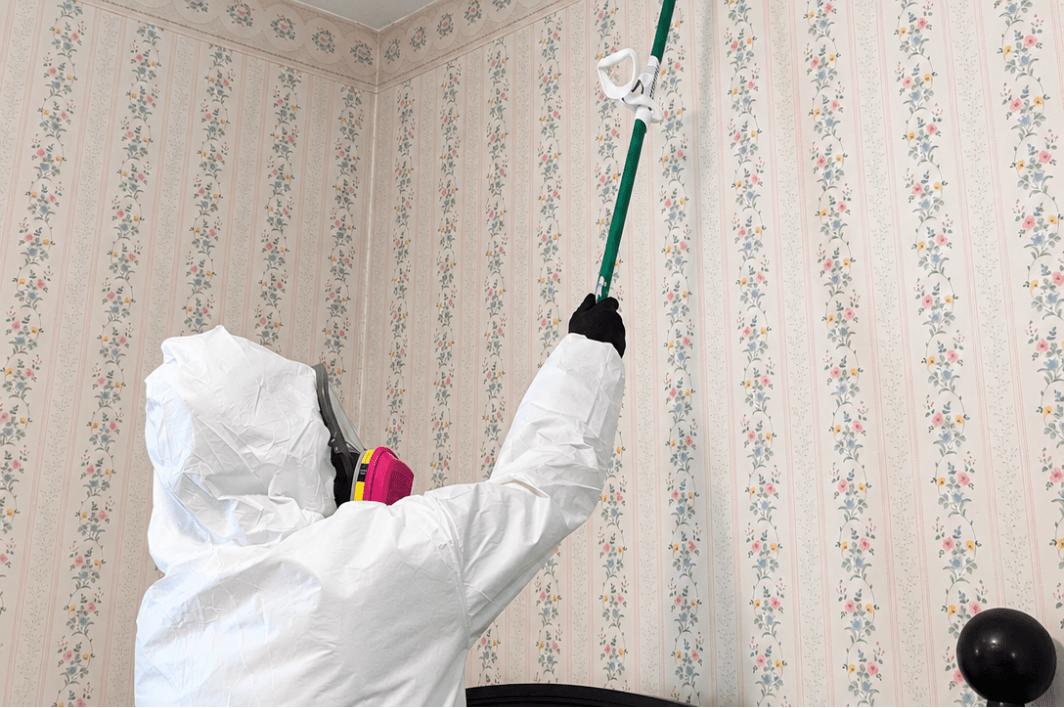
Protective equipment must match the task and anticipated exposure. Depending on the assessment, we use:
- Gloves compatible with the materials and cleaning products involved.
- Eye and face protection for tasks that could generate splashes.
- Protective clothing to limit contact with skin and personal clothing.
- Appropriate footwear or coverings for contaminated work areas.
Equipment must also fit correctly and remain intact. We replace compromised protection and remove contaminated gear carefully to avoid transferring material onto ourselves.
Gloves do not make it safe to reach blindly into debris. Tools and controlled handling reduce contact before protective equipment becomes the last barrier.
How We Reduce the Risks of Bloodborne Pathogens During Cleanup
We reduce exposure opportunities by controlling access and addressing contamination throughout the work area. Our process follows the conditions we find rather than a fixed cleaning routine.
Confirm Scene Release and Assess the Property
We begin remediation after law enforcement releases the affected area. For families wondering who cleans up crime scenes, our biohazard technicians handle the remediation while the authorized property contact approves the work.
Scene release does not confirm that the property is clean. We assess the affected materials and discuss proposed removal before disposing of belongings.
Keep Contamination Within the Work Area
We separate affected spaces from areas that remain in use and establish routes for moving equipment and waste. This matters in apartment buildings or occupied homes where other people may use nearby rooms.
For example, carrying a contaminated cushion into a hallway and setting it on a clean chair creates another affected surface. Planning movement before handling materials helps prevent that transfer.
Clean and Disinfect Accessible Surfaces
We remove contamination and clean remaining surfaces before completing disinfection according to the product label. We choose EPA-registered disinfectants for bloodborne pathogens with claims appropriate to the work.
Disinfection depends on more than choosing a product. We check:
- Which pathogens the label covers.
- Which surfaces and use locations the product permits.
- Whether the product requires dilution.
- How long the surface must remain wet.
Package Waste for Safe Removal
We separate contaminated sharps and use containers suited to the waste. Classification determines the applicable handling requirements, so not every item in the room belongs in the same disposal category.
Removal remains part of exposure control. Containers must prevent the contents from creating contact hazards while we move them out of the property.
What Does OSHA Require for Bloodborne Pathogen Cleanup?
The federal Bloodborne Pathogens Standard requires covered employers to protect workers with occupational exposure. Alongside the physical precautions described above, employer duties include:
- Maintaining a written exposure control plan with at least annual review.
- Providing initial and annual bloodborne pathogen training.
- Establishing cleaning and decontamination procedures.
- Offering hepatitis B vaccination to eligible employees.
- Providing required evaluation and follow-up after an exposure incident.
If you manage a business, assigning blood cleanup to a maintenance employee does not remove these obligations. Expected exposure determines the protections the work requires.
What Should You Do After Possible Bloodborne Pathogen Exposure?
Seek prompt medical evaluation after a contaminated puncture, blood contact with broken skin, or a splash to your eyes or mouth. Follow these immediate steps without waiting for symptoms.
- Stop the task and move away from the contamination.
- Wash affected skin and cuts with soap and water. Flush eyes with clean water or saline, and rinse splashes from the mouth or nose with water.
- Seek medical care immediately and explain when and how the contact occurred.
- Report the incident to your supervisor if it happened at work.
When appropriate, HIV post-exposure prophylaxis, or PEP, must begin within 72 hours. Earlier treatment is better, and a clinician determines whether your exposure calls for it.
Property cleanup cannot replace medical assessment. Do not delay care while arranging remediation or trying to obtain someone’s medical history.
Key Takeaways About the Risks of Bloodborne Pathogens
Reducing the risks of bloodborne pathogens requires precautions that match the exposure. Keep these points in mind:
- Contaminated sharps and splashes can provide a route into the body.
- Drying and stain removal do not establish that affected materials are safe.
- Protective equipment supports controlled handling rather than replacing it.
- Disinfection requires a suitable product and correct application.
- Possible exposure needs prompt medical attention.
Suicide Cleanup Specialists provides crime scene cleanup assistance throughout the United States, with support available 24 hours a day. If your property needs assessment, contact us to discuss the situation and arrange the next step.
Frequently Asked Questions
What are the three most common bloodborne pathogens?
Hepatitis B, hepatitis C, and HIV are three common bloodborne pathogens addressed in exposure prevention. The hepatitis viruses affect the liver, while HIV damages the immune system.
Does every crime scene contain bloodborne pathogens?
No. Not every crime scene contains blood, and blood at a scene does not prove that a particular pathogen is present. We use precautions whenever the work involves potentially infectious material.
Can I clean a crime scene if I wear gloves?
Gloves alone do not address the full task. Hidden sharps or splashes can require additional controls, and affected materials may need assessment before anyone moves them.
Should I throw away stained belongings before cleanup?
Leave affected belongings in place for assessment. Moving or bagging them can create additional contact, and we need to evaluate the material before discussing cleaning or removal.
How do I arrange bloodborne pathogen cleanup near me?
Contact Suicide Cleanup Specialists with your city and state, plus the scene-release status if you know it. We can discuss service arrangements and what information we need before assessing the property.