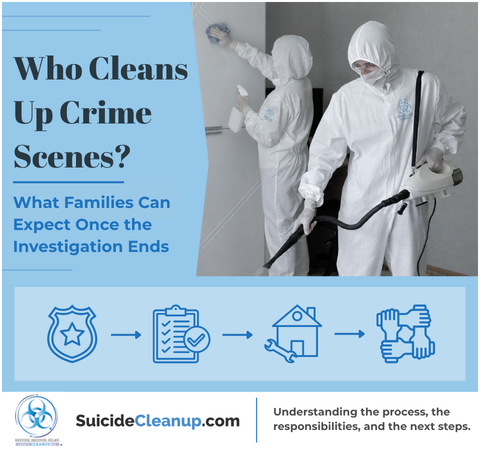
The investigation may be over, but blood, fingerprint powder, damaged materials, and other reminders of the event can remain inside your property. Police process the scene, but they do not normally clean it afterward.
So, who cleans up crime scenes? Professional biohazard remediation technicians perform the physical cleanup after law enforcement releases the affected area. The property owner or another authorized person usually approves the work.
Our crime scene cleaning services address biological contamination and residue left during an investigation. Knowing what happens next can help you protect the property and make informed decisions once access returns to you.
Who Cleans Up Crime Scenes After Police Leave?
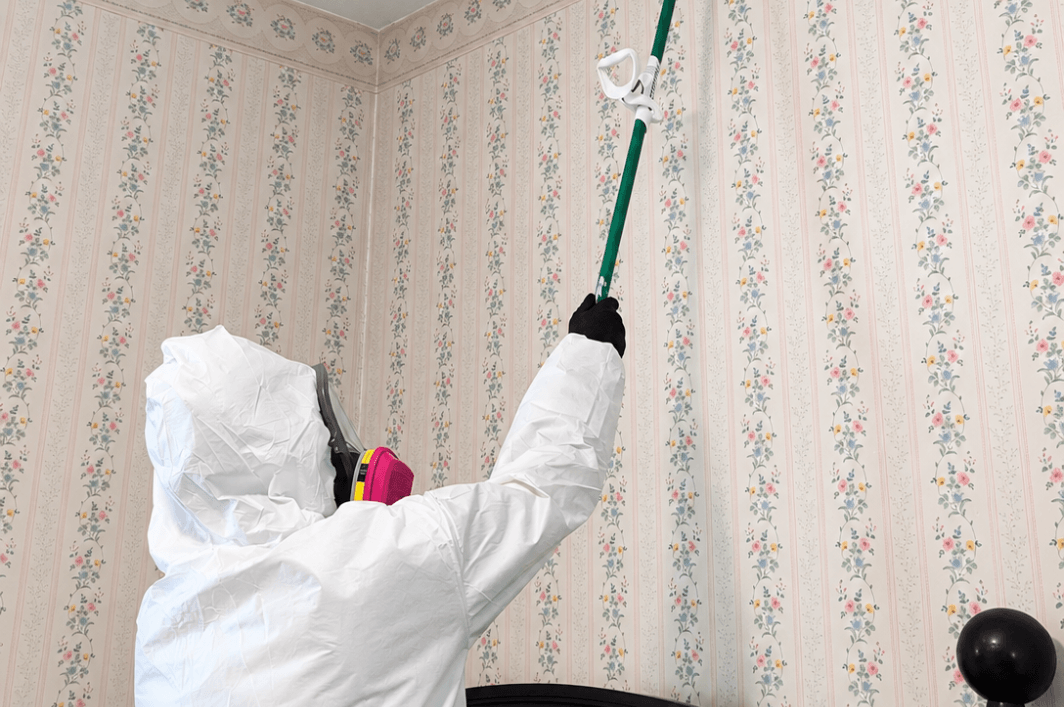
Biohazard remediation technicians clean crime scenes after investigators finish their work. We identify affected areas, remove materials that cannot be restored, clean and disinfect remaining surfaces, and handle contaminated waste.
A person who performs this work may be called a crime scene cleanup technician, trauma cleaner, forensic cleaner, or biohazard remediation specialist. Each title refers to professionals trained to manage hazards that ordinary cleaning does not address.
Depending on the incident, a scene may contain:
- Blood or other bodily fluids
- Sharps and broken glass
- Contaminated structural materials
- Fingerprint powder
- Blood-detection compounds
- Pepper spray or fire-extinguisher residue
- Biological odors
The materials present determine the cleanup plan. Not every crime scene contains blood, and not every visible stain shows the full affected area.
Who Is Responsible for Cleaning Up a Crime Scene?
The person or organization that controls the property usually arranges cleanup. Responsibility depends on the location and who has authority to approve work.
Arranging cleanup does not mean you must perform it yourself. It means you can authorize professional remediation after investigators return control of the property.
If the owner has died or cannot make decisions, an executor, estate administrator, landlord, next of kin, or another legal representative may need to approve the work. That authority should be confirmed before anyone removes materials or personal belongings.
When Can Crime Scene Cleanup Begin?
Crime scene cleanup can begin after law enforcement releases the affected area. Entering before release can disturb evidence, interfere with the investigation, or expose you to hazards.
An officer leaving the property does not always mean every room is open. Investigators may release one area while keeping another restricted.
Until you receive confirmation:
- Ask which areas remain under law enforcement control.
- Confirm who will notify you when the restriction ends.
- Identify the person authorized to approve cleanup.
- Keep people and animals outside the affected area.
- Don’t move belongings or clean surfaces.
- Notify the appropriate insurance carrier when needed.
Scene release only ends law enforcement’s control of the approved area. It does not confirm that the property is clean or safe to occupy.
What Do Crime Scene Cleanup Professionals Do?
Crime scene cleanup professionals determine what the incident affected and complete the work needed to remediate the released area. The process changes according to the contamination, materials, and property layout.
1. Assess the Affected Area
We inspect the visible damage and determine where fluids or residue may have traveled. The assessment also identifies sharps, broken glass, chemical residue, and other hazards that could affect the work.
For example, blood on sealed tile may remain near the visible spill. Blood that reaches carpet can pass into the padding and subfloor.
2. Control Movement Through the Property
We separate the work area from unaffected spaces and establish routes for technicians, equipment, and waste. This prevents movement through the property from carrying contamination into clean areas.
Controlled access matters in apartment buildings, hotels, offices, and occupied homes where nearby areas may remain in use.
3. Remove Materials That Cannot Be Restored
Porous structural materials can absorb biological fluids below the visible surface. Depending on the depth of contamination, removal may involve:
- Carpet and padding
- Flooring
- Drywall and insulation
- Unsealed wood
- Mattresses
- Upholstered furniture
We base removal decisions on actual contact, material type, and condition. An object does not require disposal simply because it was present in the room.
4. Clean and Disinfect Remaining Surfaces
Cleaning removes blood, bodily fluids, and other organic material before disinfection. Applying disinfectant over visible contamination can prevent the product from reaching the surface correctly.
The CDC’s March 2024 environmental cleaning procedures for blood and body-fluid spills follow the same order: use appropriate protective equipment, contain and remove the spill, clean the area, and then disinfect it.
Crime scene remediation must also account for contamination beneath the visible surface. Fluid inside flooring seams, subfloors, wall materials, or furniture explains why trauma cleaning goes beyond surface-level disinfection.
After cleaning, we select disinfectants for the surface and biological material involved. Concentration, application method, and wet contact time determine how each product must be used.
In February 2024, the EPA introduced List S for antimicrobial products effective against bloodborne pathogens. It identifies registered products with claims against HIV, hepatitis B, hepatitis C, or a combination of these viruses.
5. Package Contaminated Waste
Disposable supplies and materials removed during remediation cannot always enter ordinary household trash. The waste type and cleanup location determine the packaging, labeling, transportation, and disposal rules that apply.
The U.S. Department of Transportation provides current requirements for transporting infectious substances. We use appropriate containers and follow the applicable transportation requirements.
6. Address Investigative Residue and Odor
After biological remediation, fingerprint powder, adhesives, blood-detection compounds, or other investigative residue may still require attention. We also identify damage that falls outside remediation and requires structural repair.
Odor treatment begins with finding and removing the source. Paint, fragrance, or deodorizing spray cannot correct biological material trapped beneath flooring or inside walls and furniture.
How Does Cleanup Change After a Homicide or Suicide?
The same type of biohazard technicians clean homicide and suicide scenes, but the scope can differ. The method of death, time before discovery, evidence-processing techniques, and affected materials shape the work.
Homicide scenes may remain restricted longer or contain more residue from evidence collection. The division of responsibility remains clear when determining who cleans up murder scenes: law enforcement investigates, the medical examiner or coroner handles the deceased, and biohazard technicians remediate the property afterward.
Suicide scenes follow a similar handoff. Once investigators determine the cause and manner of death and release the area, we can assess the contamination and begin remediation.
What Happens to Personal Belongings?
Personal belongings receive individual evaluations based on their materials and contact with contamination. Being inside the affected room does not automatically make an item unrestorable.
Hard, sealed objects often provide more cleaning options than absorbent items. Before anything leaves the property, we explain how we will:
- Separate affected property from unaffected belongings
- Document items that cannot be restored
- Protect photographs and important papers
- Evaluate electronics that cannot tolerate moisture
- Obtain approval before discarding personal property
Material and exposure determine what can be saved when cleaning personal belongings after a death. A sealed object may allow controlled cleaning, while fluid can penetrate too deeply into upholstery or unfinished wood for reliable restoration.
Can Anyone Do Crime Scene Cleanup?
A property owner may legally clean a private scene in some jurisdictions, but permission does not remove the risk. Blood, sharps, chemical residue, and contaminated waste require protective measures that ordinary household cleaning does not provide.
OSHA’s current Bloodborne Pathogens Standard requires covered employers to use exposure controls, protective equipment, training, and specific housekeeping practices when workers can reasonably encounter blood or other potentially infectious materials.
An employer should not assign blood cleanup to an untrained employee. Professional remediation also protects families from direct contact with the physical details of a traumatic event.
How to Hire a Crime Scene Cleanup Company Safely
Hiring safely means understanding what we will do before you approve the work. When you contact Suicide Cleanup Specialists, we explain the expected scope, how we will protect the property, and which decisions require your permission.
Before cleanup begins, we address:
- Whether law enforcement has released the affected area
- How we will assess visible and concealed contamination
- Which materials may require removal
- How we will protect unaffected rooms
- How personal belongings will be evaluated
- How contaminated waste will leave the property
- What the estimate includes
- What documentation you will receive
We do not make disposal decisions about personal belongings without discussing them with the authorized representative. If the assessment changes the expected scope, we explain what we found and why additional work may be necessary.
A firm price or timeline may not be possible before we assess the property. Conditions beneath flooring, behind walls, or inside furniture can affect the work required.
Who Pays for Crime Scene Cleanup?
The responsible property party usually arranges payment, but insurance may cover some or all of the cost. Coverage depends on the policy, cause of loss, deductible, exclusions, and affected property.
Possible payment sources include:
- Homeowners or renters insurance
- Commercial property insurance
- Vehicle insurance
- Crime-victim compensation
- Estate funds
- Direct payment
Ask the carrier whether coverage includes biohazard remediation, damaged contents, structural removal, investigative residue, odor treatment, and repairs. We can provide estimates, photographs, invoices, and scope documentation, but the insurer makes the coverage decision.
Frequently Asked Questions
Who usually cleans up crime scenes?
Biohazard remediation technicians perform the physical cleanup. The person or organization responsible for the property normally authorizes the work.
What do you call a person who cleans up crime scenes?
Common titles include crime scene cleanup technician, trauma cleaner, forensic cleaner, and biohazard remediation specialist.
Do police clean up crime scenes?
No. Police investigate and control the scene. Biohazard technicians clean the property after law enforcement releases it.
Who cleans up blood at crime scenes?
Biohazard remediation technicians clean blood at crime scenes using procedures for assessing contamination, removing affected materials, cleaning, disinfection, and waste handling.
Can anyone do crime scene cleanup?
Local laws vary, but permission to clean does not provide the training or protective equipment needed to manage biological hazards. Workplace exposure rules may also apply.
Who pays for crime scene cleanup?
The responsible property party arranges payment. Insurance, crime-victim compensation, estate funds, or direct payment may cover the cost depending on the circumstances.
What Families Can Expect After the Investigation
Who cleans up crime scenes depends on the stage of the response. Police handle the investigation. After release, our biohazard remediation technicians can address the contamination and investigative residue left inside the property.
Confirm that law enforcement has released the area before entering or moving belongings. If you need help preparing for cleanup, contact our team at Suicide Cleanup Specialists for discreet, 24-hour assistance throughout the United States.