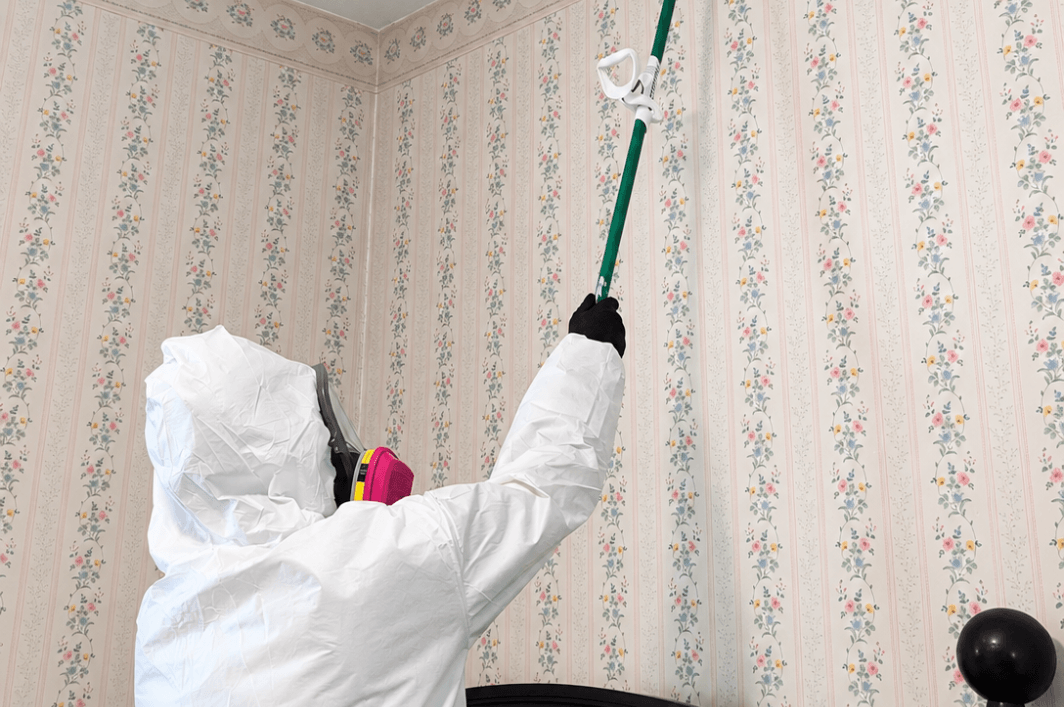
Police may leave a property after completing their on-site work, but they do not clean the blood, biological material, or forensic residue that remains. The end of the investigation creates a new responsibility: restoring the affected environment.
So, who cleans up murder scenes? Professional crime scene cleanup technicians perform the physical cleanup after law enforcement releases the property. Police investigate the homicide, the medical examiner or coroner handles the deceased, and an authorized property representative arranges remediation.
Our crime scene cleanup services address the contamination and property damage left after the investigation. Knowing who handles each responsibility helps you avoid entering an unsafe area or expecting the wrong agency to complete the work.
Who Cleans Up Murder Scenes After Police Leave?
Professional crime scene cleanup technicians clean and remediate murder scenes after investigators release the property. Police officers, paramedics, coroners, and funeral home employees do not perform this work.
Crime scene technicians handle biological contamination and affected property. The work may include:
- Inspecting visible and hidden contamination
- Establishing controlled work areas
- Removing blood and biological material
- Cleaning and disinfecting affected surfaces
- Removing materials that cannot be safely restored
- Evaluating furniture and personal belongings
- Packaging and transferring regulated waste
- Treating odors connected to the contamination
- Removing certain forensic residues
- Documenting the completed work
The exact scope depends on what the assessment finds. A scene with contamination limited to a sealed surface requires a different response from one where blood has entered flooring, walls, or furniture.
Who Is Responsible for Cleaning Up Murder Scenes?
The property owner or another authorized party usually arranges murder scene cleanup. Responsibility for authorizing service depends on where the incident occurred and who controls the property.
Being responsible for cleanup does not mean you should personally perform it. It means you can approve the work and provide access after authorities release the location.
At a privately owned home, the homeowner or an authorized family or estate representative may arrange cleanup. A landlord, property manager, business owner, facilities manager, or government agency may take that role at other properties.
Ownership and lease terms can change who has authority. Confirm who can approve the work before anyone removes belongings or alters the affected area.
What Does Each Person Do After a Murder?
Every party has a defined role. Their responsibilities may overlap in timing, but they do not perform the same work.
Law Enforcement Controls the Crime Scene
Police secure the property, document conditions, collect evidence, and investigate the homicide. Officers control access while the location remains an active crime scene.
Investigators may remove weapons, clothing, or personal items as evidence. Their work can also leave fingerprint powder, chemical detection products, or other forensic residue on surfaces.
Law enforcement does not normally disinfect blood or restore damaged materials. Cleaning during an active investigation could alter the scene or interfere with evidence.
The Medical Examiner or Coroner Handles the Deceased
The medical examiner or coroner manages responsibilities related to the deceased. Depending on the jurisdiction, that office may examine the body, determine the cause and manner of death, or arrange transport.
Removing the deceased does not remediate the property. Blood and biological material can remain on surfaces or inside absorbent building materials.
The Property Representative Authorizes Cleanup
The property representative contacts the cleanup company and grants access after investigators release the location. This person may also notify the insurer and provide available case information.
Avoid inspecting the affected space or sorting belongings before an assessment. Moving one contaminated object can transfer biological material into another room, a vehicle, or a storage area.
Crime Scene Cleanup Technicians Restore the Environment
Our technicians assess the contamination, determine which materials require treatment or removal, and control movement through the work area. The process follows procedures designed for blood and other potentially infectious material.
The ANSI/IICRC S540 standard for trauma and crime scene cleanup assumes that law enforcement or another regulatory agency has already released the scene. Cleanup technicians cannot replace investigators or enter while access remains restricted.
What Do You Call Someone Who Cleans Up Murder Scenes?
A person who performs this work may be called a crime scene cleanup technician, trauma scene remediation technician, or biohazard remediation specialist. “Crime scene cleaner” remains the most familiar term, but the job involves more than removing visible stains.
A title alone does not prove that someone can handle a homicide scene. Before authorizing service, confirm that the company:
- Has experience with homicide and trauma scenes
- Uses suitable protective equipment
- Follows established exposure-control procedures
- Understands applicable state waste requirements
- Documents affected materials and completed work
- Carries appropriate insurance
- Protects your privacy
Local requirements vary. A qualified company must account for the rules that apply in the state where the incident occurred.
When Can Murder Scene Cleanup Begin?
Murder scene cleanup can begin only after the agency controlling the property officially releases it. The absence of police vehicles or crime scene tape does not confirm that you can enter.
An official release means investigators no longer need to control the location for their on-site work. It does not mean the property has been cleaned, disinfected, or cleared for normal use.
While waiting for release:
- Confirm which agency controls the scene.
- Ask how you will receive release notice.
- Keep family members, tenants, employees, and pets away.
- Contact our team without entering the affected area.
- Notify the property insurer if you plan to file a claim.
- Keep the case number and instructions authorities provide.
Our team can gather information and prepare a response before the release. Remediation starts only after the appropriate agency grants access.
Why Does a Murder Scene Require Specialized Cleanup?
Biological contamination can extend beyond what you see. Blood may enter carpet padding, flooring seams, wall material, upholstery, or unfinished wood.
Human blood can contain infectious microorganisms, including hepatitis B, hepatitis C, and HIV. OSHA’s Bloodborne Pathogens Standard requires covered employers to protect workers with occupational exposure to blood and other potentially infectious material.
Cleaning and Disinfection Serve Different Purposes
Cleaning removes biological material and debris from a surface. Disinfection follows cleaning and uses an appropriate product for the required contact time.
Removing a visible stain does not address blood that has entered an absorbent material. Technicians may need to remove carpet padding, subflooring, drywall, insulation, or furniture when safe treatment cannot reach the contamination.
Biological Waste Requires Proper Handling
Contaminated materials may require special packaging, transportation, treatment, or disposal. The requirements depend on the waste and the location where it originated.
The EPA states that state environmental and health departments primarily regulate medical waste. Cleanup teams must follow the rules that apply in the state where they perform the work.
What Happens to Furniture and Personal Belongings?
A murder scene does not automatically make every item unsalvageable. Recovery depends on the material, location, and extent of exposure.
Do not discard sentimental or valuable objects before an assessment unless law enforcement instructs you to do so. The material and degree of exposure determine whether technicians can preserve personal belongings affected by a death scene.
How Much Does Professional Murder Scene Cleanup Cost?
Professional murder scene cleanup has no reliable flat price. The assessment determines the scope and cost from the conditions inside the property.
The main cost factors include:
- Size of the affected area
- Depth and spread of contamination
- Number of affected rooms
- Structural materials requiring removal
- Personal property requiring evaluation
- Amount of regulated waste
- Local transportation and disposal requirements
- Forensic residue requiring removal
- Repairs needed after remediation
A sealed floor with limited contamination generally requires less work than blood that has entered carpet, padding, subflooring, and a wall cavity. The assessment identifies the full extent of the work before remediation proceeds.
Who Pays for Murder Scene Cleanup?
The property owner or responsible party commonly receives the initial bill. Insurance or a victim-compensation program may cover eligible expenses, but neither source guarantees payment.
Homeowners, renters, or commercial property policies may cover biohazard cleanup and related property damage. Coverage depends on the policy language, deductible, exclusions, documentation, and facts of the loss.
Before discarding affected materials, ask the insurer what records the adjuster needs. Proper photographs, inventories, estimates, and invoices can support the claim, and our insurance guide for biohazard cleanup provides more detail about that process.
State victim-compensation programs may offer another source of assistance. The U.S. Department of Justice includes crime scene cleanup among the expenses tracked through victim-compensation programs, although eligibility and limits vary by state.
What Should You Do After the Scene Is Released?
Keep the affected area closed and contact a professional cleanup team. You do not need to enter the room or determine the contamination boundary yourself.
Do not touch blood, tissue, weapons, sharp objects, or belongings within the scene. Notify the insurer, preserve available case information, and ask whether your state offers victim-compensation assistance.
If blood contacts broken skin or splashes into the eyes, nose, or mouth, seek prompt medical care. A qualified healthcare professional must evaluate possible exposure.
Frequently Asked Questions
Are police responsible for cleaning up a murder scene?
No. Police secure the property, collect evidence, and investigate the homicide. An authorized property representative arranges professional cleanup after the scene is released.
Does the coroner clean a murder scene?
No. The coroner or medical examiner handles responsibilities related to the deceased and death investigation. That office does not clean or restore the property.
Can a family member clean a murder scene?
A family member may authorize cleanup, but performing it creates exposure and cross-contamination risks. Professional technicians have the equipment and procedures needed to handle biological material and affected waste.
Can cleaners enter before a murder investigation ends?
No. Cleanup cannot begin until the agency controlling the scene officially releases it. Entering earlier could disturb evidence or violate access restrictions.
Does insurance cover murder scene cleanup?
Some homeowners, renters, and commercial property policies cover eligible biohazard remediation or property damage. The insurer determines coverage from the policy terms and facts of the loss.
Key Takeaways About Who Cleans Up Murder Scenes
- Crime scene cleanup technicians remediate the property after official scene release.
- Police investigate the homicide but do not perform the cleanup.
- The medical examiner or coroner handles the deceased.
- An owner or another authorized representative normally arranges service.
- Insurance and victim-compensation programs may help with eligible costs.
- A professional assessment determines what can be cleaned, restored, or removed.
If a murder has affected your home, rental property, or business, you do not need to enter the scene or determine the cleanup scope yourself. Contact Suicide Cleanup Specialists for discreet professional assistance throughout the United States.