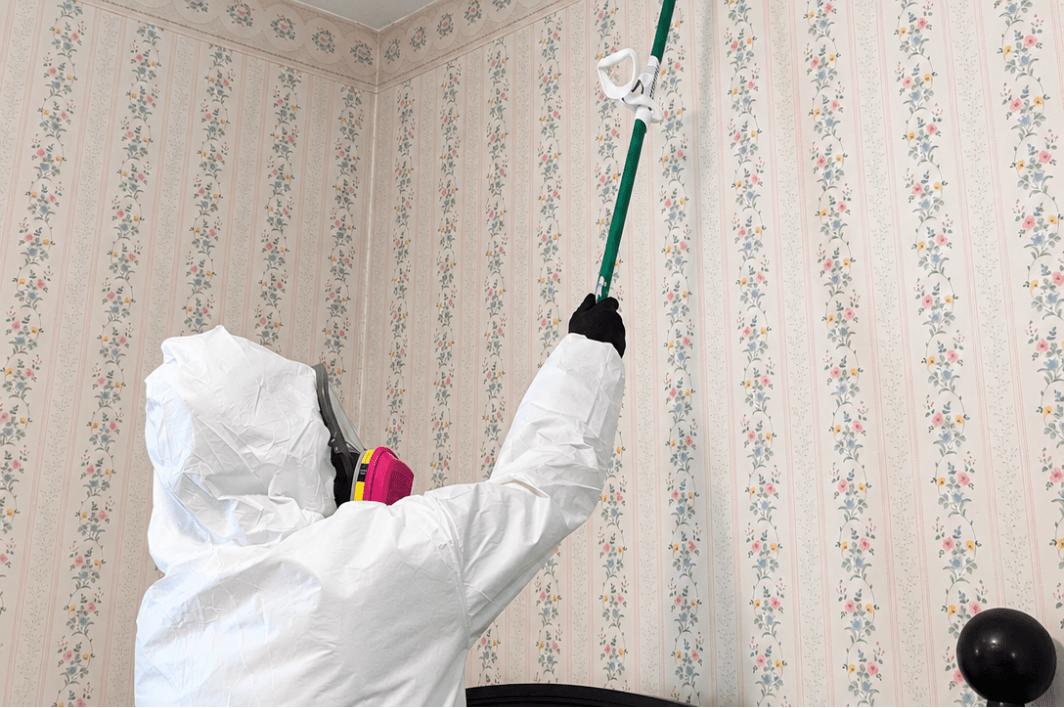

Flooring after suicide cleanup can remain in place when our team can properly treat the affected material. When blood penetrates absorbent layers or reaches areas we cannot treat from above, we remove the affected sections and assess what lies underneath.
You don't automatically need to replace the floor throughout your home. Our suicide cleaning services determine the required work and explain what condition to expect when remediation ends. That gives you a starting point for repairs without asking you to inspect contaminated materials yourself.
Does All Flooring Need Replacement After Suicide Cleanup?
No. Replacement follows the affected area and the access needed for treatment, rather than the size of your home or the fact that a suicide occurred.
Some flooring needs removal because it absorbed biological material. Other sections need lifting so we can reach contamination underneath, even when the visible finish appears intact.
A larger replacement area can also reflect a repair decision. If matching planks or carpet are unavailable, restoring a consistent appearance may require work beyond the cleanup boundary.
We document why each section requires removal. This separates contamination concerns from choices about how you want the finished room to look.
How Do We Decide Whether Flooring Can Stay?
We keep flooring when the assessment supports effective decontamination and continued use. During a suicide cleanup inspection, we document the visible conditions and identify layers that need closer assessment.
These questions guide the flooring decision:
- Did fluids remain on an intact finish or enter the material?
- Do seams or damaged edges provide a path underneath?
- Can we expose and treat the full affected area?
- Will the material tolerate the required treatment?
- Does damage prevent the material from returning to use?
Opening the floor can change the scope. For example, a small carpet stain may lead to a wider removal area when we discover that the padding absorbed fluids farther outward.
Share information about previous flooring installations if you have it. An older floor covering beneath the current one can introduce another layer to inspect, but you don't need to lift anything before we arrive.
What Happens to Each Type of Flooring After Suicide Cleanup?
Different flooring materials create different access and treatment limits. Our team evaluates the installed floor before selecting a method.
Can Wood Flooring Be Sanded Instead of Removed?
Sanding cannot replace biohazard remediation. We first determine whether we can address the biological material, including contamination that entered unfinished board edges or concealed spaces.
Refinishing becomes a separate repair decision after remediation. Solid hardwood and engineered wood have different limits, and the remaining surface thickness affects whether sanding is appropriate.
We also distinguish cosmetic damage from unresolved contamination. A visible mark can require repair even after treatment, while an undamaged finish can conceal a problem underneath.
Does Concrete Flooring Always Need Replacement?
No. Concrete can remain when the remediation plan can address the affected material, but its hard surface does not automatically make it nonporous.
We assess whether a sound coating kept fluids on the surface or whether blood reached bare concrete. Cracks also require attention when they fall within the contamination path.
If fluids entered the concrete, we evaluate what work can reach that material. Applying a new coating without resolving the source does not complete remediation.
What Happens When Blood Reaches the Subfloor?
Blood beneath the floor covering requires assessment of the supporting layers before replacement can proceed. The subfloor supports the floor covering and can consist of plywood, oriented strand board, solid boards, or a concrete slab.
Underlayment is a separate layer that may sit between the finished floor and the subfloor. Removing a vinyl plank or carpet section can therefore reveal more than one material that needs assessment.
The findings lead to these decisions:
- Treat material when we can reach the full affected area and use a suitable method.
- Remove material when absorption or inaccessible contamination prevents effective treatment.
- Plan repairs when damage or removal affects the floor assembly, including how replacement material will restore support.
- Update the scope when another affected layer becomes visible.
What Risks Does Contaminated Subflooring Create?
Disturbing contaminated subflooring can bring blood into contact with cuts or create exposure through splashes and contaminated sharps. The risks of bloodborne pathogens explain why our team controls access and handles removal with appropriate protection.
Finding blood does not prove that a particular infection is present. We use precautions based on the material and the work involved, rather than asking families to judge exposure risk themselves.
Can Sealing Replace Subfloor Decontamination?
No. Sealing cannot substitute for removing biological material or addressing contamination that treatment cannot reach.
A project may include a compatible coating after remediation. Before covering the floor, confirm what treatment the remaining material received and whether the coating suits the replacement flooring.
How Do We Safely Clean Flooring After a Suicide?
We use a biohazard risk assessment to plan exposure controls and prevent contamination from moving into unaffected areas. After authorities release the scene, the flooring work generally follows this sequence:
- Control access. We establish the work area and plan routes for supplies and packaged waste.
- Expose affected layers. We remove materials that cannot support treatment or that block access to contamination below.
- Clean salvageable surfaces. We remove biological residue because cleaning before disinfection allows the disinfectant to reach the surface more effectively.
- Disinfect suitable surfaces. We follow the product label for its intended use and application requirements, including the required wet contact time.
- Review the exposed area. Additional findings can require more access or a change to the treatment plan.
- Document completion. We record the completed work and explain the remaining flooring repair needs.
When Can You Install New Flooring After Cleanup?
Installation can begin after remediation finishes and the remaining base meets the replacement product's requirements. Depending on what we removed, you may see an exposed floor base or openings that still need repair.
Before installation, confirm these details:
- Our team has addressed the affected area and explained any unresolved condition.
- The repair plan accounts for missing or damaged supporting material.
- Required moisture checks and surface preparation meet the flooring manufacturer's instructions.
- Your written agreement identifies which reconstruction and installation work it includes.
- You have the remediation records needed for your property or claim.
What Replacement Flooring Resists Biological Fluid Absorption?
Sheet vinyl and glazed tile offer surfaces with low absorption, while suitable coatings can improve the cleanability of concrete. However, the complete installation matters as much as the exposed face.
Compare replacement products using these criteria:
- Surface absorption. Review the material itself rather than relying only on stain resistance claims.
- Joints and edges. Consider how the installation handles seams, perimeter gaps, and penetrations.
- Cleaning compatibility. Check which products the manufacturer permits on the finished surface.
- Maintenance needs. Understand how wear or damaged coatings affect the floor over time.
A waterproof label does not establish that every joint prevented fluid migration during an incident. Choose flooring that suits your room and maintenance needs, and use the findings from remediation to inform the installation plan.
If you switch from carpet to a thinner floor covering, include transitions and door clearances in the repair plan. Those finishing details affect installation even when remediation stays within the original cleanup area.
What Affects the Cost to Replace Flooring After Suicide Cleanup?
Cost depends on the affected layers and the work needed to restore the floor. A price for new flooring alone does not account for every part of a project involving biological contamination.
Use the estimate to distinguish these expenses:
If opening the floor reveals additional contamination, ask us to explain the revised scope. Keep that work separate from an optional upgrade so you understand what each part of the estimate covers.
Does Insurance Cover Flooring After Suicide Cleanup?
Your policy and claim review determine coverage. Approval for cleanup does not establish that your insurer will cover every replacement choice or a larger area requested for appearance.
When you're ready to open a claim, knowing how to file an insurance claim for suicide cleanup helps you organize the estimate and supporting records. We document the affected materials and completed remediation without asking you to enter the contaminated area for photographs.
Ask your adjuster to confirm the approved repair scope and any deductible or coverage limits before you commit to replacement work.
Flooring After Suicide Cleanup: Key Takeaways
The decision about flooring after suicide cleanup follows the condition of the affected materials. Keep these distinctions in mind:
- Removal can address absorbed contamination or provide access underneath a floor covering.
- Replacing a wider area for matching does not mean that the entire area contained contamination.
- A completed cleanup can still leave flooring reconstruction to finish.
- Documentation helps explain the removal boundary and remaining repair needs.
Flooring decisions form one part of cleaning up after a suicide, which may also involve affected belongings and other room surfaces. Suicide Cleanup Specialists provides nationwide assistance 24/7. Contact us to discuss your property and the next step.
Frequently Asked Questions
Should I replace all flooring after a suicide cleanup?
No. Replacement depends on contamination and treatment access. A larger repair area can reflect matching or installation requirements rather than biological contamination throughout the room.
Can I put new flooring over a blood stain?
Do not cover an area that still needs assessment. We must determine whether the mark represents unresolved contamination or discoloration before you proceed with repairs.
Does suicide cleanup include new flooring installation?
Only when your written agreement includes that work. Our remediation scope explains the biological cleanup, while reconstruction and installation require clear arrangements of their own.
How long should I wait before replacing the floor?
There is no universal waiting period. Finish remediation and any necessary repairs first. The remaining base must also meet the flooring product's installation requirements.
Can I choose a different flooring material afterward?
Yes. The replacement must suit the room and the remaining floor assembly. If insurance forms part of your plan, confirm how a different material affects the approved scope and your costs.