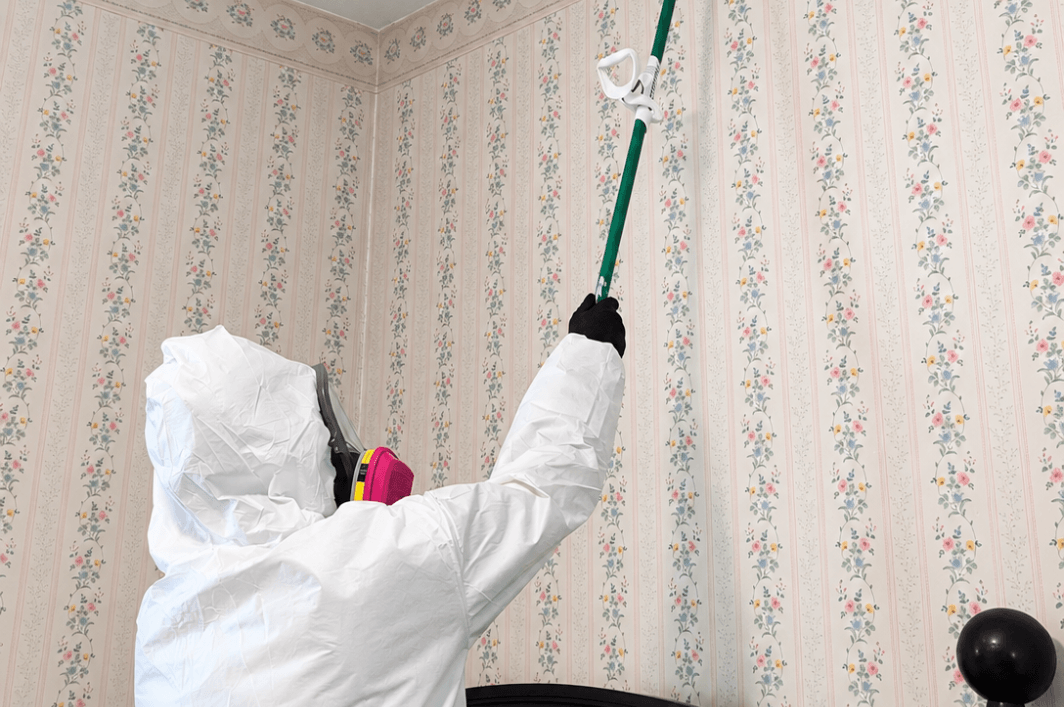
A trauma scene changes the environment long after visible material is removed. Blood, bodily fluids, airborne particles, and microscopic contaminants spread into flooring, walls, furniture, ventilation systems, and porous materials within minutes. What looks clean on the surface often remains biologically unsafe underneath.That reality is why professional trauma cleaning involves far more than wiping down visible areas or using household disinfectants. Proper remediation requires containment, decontamination, odor removal, biohazard handling, and restoration protocols designed for environments exposed to bloodborne pathogens and biological contamination.For families facing an unattended death, suicide, violent crime, or severe accident, the situation becomes emotionally overwhelming fast. Our professional trauma cleaning services handle these environments with discretion, safety, and attention to contamination that standard cleaning methods fail to address.
What Is Trauma Cleaning?
Trauma scene cleaning is the process of removing biological contamination after a traumatic event involving blood, bodily fluids, decomposition, or other hazardous materials.A professional trauma cleanup service addresses:
- Blood contamination
- Tissue and bodily fluids
- Pathogen exposure
- Odor contamination
- Airborne particulates
- Cross-contamination risks
- Structural contamination inside porous materials
Trauma scene cleaning often follows:Trauma EventCommon RisksRequired Cleaning LevelSuicideBloodborne pathogens, emotional traumaFull biohazard remediationUnattended deathDecomposition bacteria, odor spreadStructural decontaminationViolent crimeBlood aerosolization, contamination spreadMulti-surface remediationIndustrial accidentsBodily fluid exposure, biohazardsOSHA-compliant cleanupVehicle trauma scenesHidden fluid absorptionInterior dismantling and sanitationSurface cleaning only addresses what you can see. Trauma contamination spreads beyond visible damage.
Why Surface-Level Disinfection Fails in Trauma Scenes
Many people assume bleach, disinfectant sprays, or deep cleaning products solve the problem. They don't.Trauma environments contain contamination patterns that move through materials quickly. Blood and bodily fluids travel downward, sideways, and into microscopic openings. By the time visible staining appears, contamination may already exist beneath flooring, behind baseboards, inside drywall, and within subfloor structures.A trauma cleaner approaches the scene differently because contamination behaves differently than ordinary dirt or bacteria.
Porous Materials Absorb Biohazards
Carpet padding, wood, drywall, insulation, upholstery, and mattresses absorb fluids rapidly.Once fluids penetrate porous materials, pathogens can remain trapped beneath the surface even after visible stains disappear.This creates ongoing risks including:
- Bacterial growth
- Persistent odor contamination
- Air quality issues
- Cross-contamination
- Exposure to bloodborne pathogens
Professional trauma cleaning services often require material removal because sanitizing the surface alone does not fully eliminate embedded contamination.
Bloodborne Pathogens Remain Dangerous
Trauma scenes may contain pathogens including:
- Hepatitis B
- Hepatitis C
- HIV
- MRSA
- Bacteria linked to decomposition
Improper trauma scene cleaning increases exposure risk through direct contact and airborne particle spread. OSHA’s Bloodborne Pathogens Standard requires contaminated surfaces and materials exposed to blood or potentially infectious materials to be properly cleaned and decontaminated. Sweeping, scrubbing, or vacuuming contaminated material can aerosolize particles into the air. Once airborne, contamination can spread throughout the property through airflow and HVAC circulation.
Hidden Contamination Is Common in Trauma Scenes
One of the biggest misconceptions surrounding trauma cleaning is the belief that contamination stays confined to the visible area.It rarely does.Impact events create microscopic spread patterns that move farther than most people realize. Blood droplets can travel onto ceilings, behind furniture, underneath appliances, and inside nearby rooms.In unattended death environments, decomposition gases and bacteria spread through the property over time. Odor molecules penetrate porous surfaces and continue circulating long after visible cleanup occurs.This is one reason families researching “who cleans up after a suicide in a house you plan to sell” often discover that remediation involves much more than appearance. Environmental contamination affects habitability, odor retention, and property conditions long after the initial event.
What Does a Trauma Cleaner Actually Do?
A trauma cleaner performs biohazard remediation using specialized safety procedures, containment systems, and professional-grade disinfectants.The process often includes:
1. Hazard Assessment
The trauma cleaning team evaluates:
- Type of contamination
- Biohazard exposure level
- Structural damage
- Airflow contamination
- Porous material saturation
2. Containment Setup
Containment prevents contamination from spreading into unaffected areas.This may include:
- Negative air machines
- Plastic containment barriers
- HEPA filtration
- PPE protocols
3. Biohazard Removal
Contaminated materials are safely removed and disposed of according to biohazard regulations.This may involve removing:
- Carpet
- Padding
- Drywall
- Furniture
- Flooring
- Personal belongings
4. Deep Decontamination
Professional trauma cleaning services use hospital-grade disinfectants and targeted remediation methods to sanitize exposed surfaces and hidden contamination zones. The EPA maintains lists of registered antimicrobial disinfectants specifically tested against bloodborne pathogens including HIV and hepatitis viruses.
5. Odor Neutralization
Odor removal requires more than fragrance sprays or ozone machines.Professional trauma scene cleaning targets the biological source causing odor production.
6. Final Verification
The space is evaluated for residual contamination and environmental safety concerns before reoccupation.
The Dangers Associated With Trauma Cleaning
Trauma cleanup exposes people to physical and biological hazards that require protective equipment and remediation training.
Exposure to Bloodborne Pathogens
Direct exposure to contaminated material can transmit infectious disease.Even dried blood remains hazardous under certain conditions.
Airborne Contamination
Disturbing contaminated material releases microscopic particles into the air.These particles can enter:
- Ventilation systems
- Adjacent rooms
- Soft materials
- Respiratory pathways
Emotional Trauma
Families often underestimate the emotional impact of cleaning a traumatic scene themselves.Returning repeatedly to visible reminders of the event creates lasting psychological stress for many property owners and relatives.
Structural Damage
Biological fluids damage flooring, wood, drywall, and subfloor systems quickly.Without proper trauma scene cleaning, structural deterioration continues underneath the visible surface.
Trauma Cleaning vs Standard Cleaning
The difference between trauma cleaning and ordinary cleaning comes down to contamination control.Standard CleaningTrauma CleaningRemoves visible dirtRemoves biological hazardsUses household cleanersUses biohazard disinfectantsFocuses on appearanceFocuses on safety and remediationCleans accessible surfacesAddresses hidden contaminationLimited PPEFull protective equipmentNo containment systemsContainment and air filtrationA standard cleaning company typically lacks the equipment and regulatory procedures required for biohazard remediation.
Why Odors Continue After Improper Cleanup
Odor complaints are common after incomplete trauma scene cleaning.That's because odors come from biological material trapped beneath surfaces. Cleaning visible areas while leaving contaminated materials underneath allows odor production to continue.This often happens when:
- Carpet padding remains installed
- Subfloor contamination is missed
- Drywall absorbs decomposition fluids
- Ventilation systems spread odor particles
Professional trauma cleaning services identify and remove the biological source rather than masking symptoms temporarily.
Trauma Scene Cleaning Requires Specialized Equipment
Professional trauma scene cleaning depends on equipment designed for hazardous environments.
Common Equipment Used
- HEPA air scrubbers
- ATP testing systems
- Biohazard disposal containers
- Hospital-grade disinfectants
- Full-body PPE
- Negative air pressure systems
- Enzyme remediation products
These systems help contain contamination and improve environmental safety during remediation.
Why DIY Trauma Cleanup Creates Long-Term Problems
Many families initially attempt trauma cleaning themselves because they want privacy or immediate action.The problem is that incomplete remediation creates lingering environmental risks.Common DIY cleanup mistakes include:
- Using bleach incorrectly
- Missing hidden contamination
- Improper disposal of biohazard waste
- Cross-contaminating unaffected rooms
- Failing to remove porous materials
- Using household vacuums on contaminated surfaces
Improper trauma cleanup often leads to recurring odor issues, bacterial growth, and additional restoration costs later.
Trauma Cleaning and Indoor Air Quality
Air contamination becomes a major issue after traumatic events involving blood or decomposition.Microscopic particles settle into:
- Air ducts
- Ceiling vents
- Curtains
- Upholstered furniture
- HVAC systems
Without proper remediation, contaminated particles continue circulating throughout the property.Professional trauma cleaning services frequently include air filtration and environmental decontamination procedures to improve indoor air conditions.
Why Trauma Cleaning Requires Emotional Sensitivity
Trauma scene cleaning happens during some of the hardest moments families experience.The technical side matters. So does the human side.People dealing with suicide, violent loss, or unattended death often face:
- Shock
- Grief
- Property stress
- Insurance concerns
- Fear of contamination
A professional trauma cleaner works discreetly while helping reduce additional emotional strain for families already managing a traumatic situation.
Key Takeaways About Trauma Cleaning
Trauma contamination spreads beyond visible surfaces quickly. Blood, bodily fluids, and biological material penetrate flooring, walls, furniture, and ventilation systems in ways ordinary cleaning cannot fully address.Professional trauma cleaning focuses on:
- Biohazard removal
- Pathogen reduction
- Structural decontamination
- Air quality control
- Odor elimination
- Safe remediation practices
Surface disinfection alone leaves hidden contamination behind. That creates ongoing health concerns, odor problems, and environmental risks inside the property.Our team at Suicide Cleanup provides professional trauma cleaning services with discretion, safety, and compassion during difficult situations. If you need immediate help after a traumatic event, contact us.
FAQ
What is trauma cleaning?
Trauma cleaning is the professional removal of biological contamination after events involving blood, bodily fluids, decomposition, suicide, accidents, or violent crime. The process includes decontamination, sanitation, odor removal, and biohazard disposal.
What does a trauma cleaner do?
A trauma cleaner assesses contamination, removes hazardous materials, sanitizes affected areas, controls airborne exposure risks, and restores the environment to a safer condition. Trauma scene cleaning also includes odor remediation and structural contamination removal when necessary.
What are the dangers associated with trauma cleaning?
The dangers include exposure to bloodborne pathogens, airborne contaminants, bacterial growth, structural contamination, emotional trauma, and improper biohazard handling. Trauma cleaning requires protective equipment and professional remediation procedures to reduce exposure risks.