When a suicide occurs, the events that follow are not something anyone prepares for. It is a moment defined by shock, grief, and confusion, often followed by the sudden reality that the space itself must be addressed. For families and property owners, cleaning up after a suicide safely can feel overwhelming, especially when emotions are still raw and decisions must be made quickly.
Trauma scene cleanup is not a standard cleaning task. It involves biohazards, unseen health risks, and lingering damage that cannot be handled with household supplies. This is why many families turn to professional suicide cleanup services trained to restore safety while approaching the situation with discretion and care. Having experienced help step in allows loved ones to focus on what matters most during an incredibly difficult time.
Understanding Suicide Cleanup
Cleaning up after a suicide involves removing blood, bodily fluids, and other biological materials after a death. These materials can carry pathogens and pose serious health risks if handled incorrectly.
Beyond physical safety, cleanup also carries a heavy emotional weight. Most families are not prepared to confront the scene left behind. That is why our trained professionals exist for this work.
Why Cleaning Up After a Suicide Is Dangerous
Biological Hazards
After a suicide, surfaces may be contaminated with:
- Bloodborne pathogens (including hepatitis and HIV)
- Tissue and bodily fluids
- Bacteria and bio-contaminants not visible to the eye
Household cleaners and protective gloves are not enough. Improper handling can spread contamination and create long-term health risks.
Structural and Environmental Damage
Fluids can seep into:
- Carpeting and padding
- Subflooring and baseboards
- Walls, furniture, and HVAC systems
Without proper remediation, odors and bacteria can remain for months or years.
How to Clean Up After a Suicide Safely
The Short Answer
Suicide cleanup services should be handled by licensed biohazard professionals. Attempting to clean the scene yourself can expose you to serious health risks and emotional trauma.
What Professional Cleanup Involves
A certified suicide cleanup team follows strict protocols:
- Scene assessment and hazard identification
- Containment of affected areas
- Removal of contaminated materials
- Hospital-grade disinfection
- Deodorization and air purification
- Safe disposal of biohazard waste
This process meets OSHA, EPA, and state health regulations.
Why Families Should Not Handle Cleanup Alone
Facing the aftermath of a suicide is already emotionally overwhelming. Trying to clean the scene yourself adds unnecessary risk and stress. There are three major reasons families should avoid handling suicide cleanup on their own:
Emotional and Psychological Impact of Cleaning Up After a Suicide
When people are already grieving, seeing the scene can:
- Trigger intrusive thoughts and flashbacks
- Intensify anxiety or stress responses
- Delay or complicate the healing process
Many families find it helpful to understand how trauma affects the mind and body during cleanup.
Hidden Health Risks
Blood and bodily fluids contain pathogens that are not always visible. Without training and proper protection, DIY cleanup can:
- Increase exposure to bloodborne diseases
- Spread contamination to unaffected areas
- Leave hazardous residues behind
Legal and Safety Requirements
Biohazard waste disposal is regulated. Improper handling can result in:
- Code violations
- Improper disposal fines
- Continued contamination in the home
Our teams show up with the right equipment, training, and protective gear so families are not exposed to these risks during an already difficult time.
Suicide Cleaning vs. DIY Cleaning
| Factor | Professional Suicide Cleanup | DIY Cleaning |
| Biohazard Safety | Certified and regulated | High risk |
| Emotional Impact | Removed from family | Direct exposure |
| Cleaning Depth | Structural remediation | Surface-level only |
| Legal Disposal | Fully compliant | Often improper |
What Equipment Is Required for Cleaning Up After a Suicide
Professional teams use tools not available to the public:
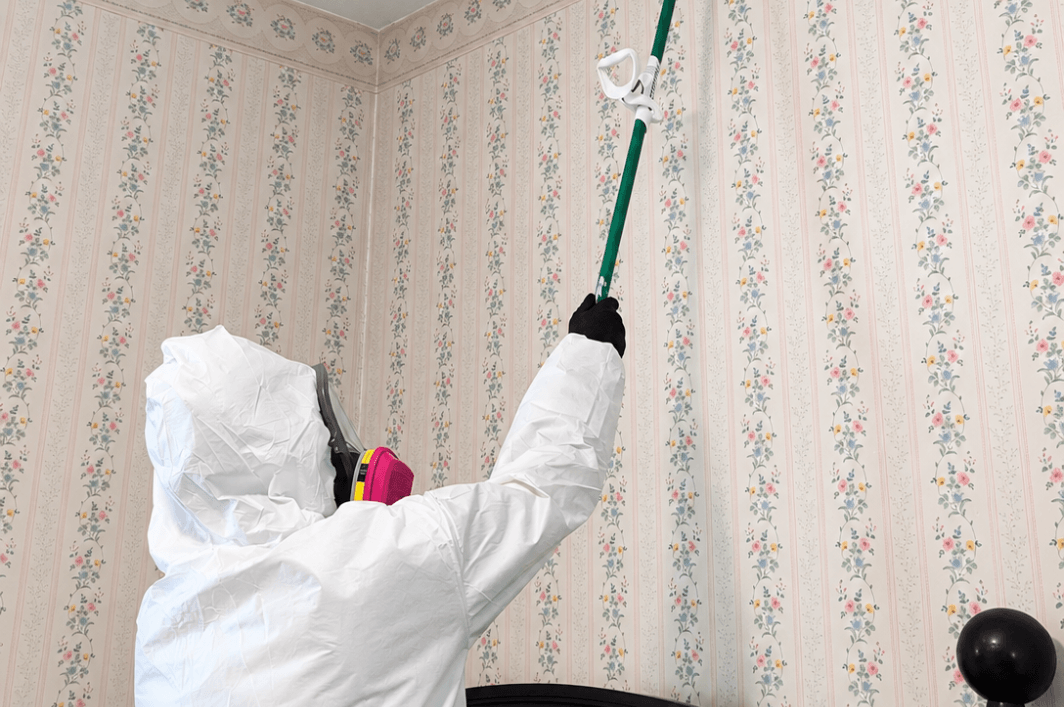
- Full PPE (respirators, suits, gloves)
- HEPA-filtered air scrubbers
- Industrial disinfectants
- Ozone or hydroxyl deodorization systems
This equipment is essential to fully restore safety.
When Cleanup Should Happen
Timing Matters
Cleanup should begin as soon as authorities release the scene. Delays can:
- Increase contamination spread
- Worsen odors
- Cause permanent structural damage
24/7 Emergency Response
Suicide cleanup services are available nights, weekends, and holidays. Trauma does not follow business hours.
Who Pays for Suicide Cleanup?
In many cases, cleanup costs may be covered by:
- Homeowner’s insurance
- Renter’s insurance
- Property insurance
Our specialists help families navigate insurance claims during stressful times.
Choosing a Suicide Cleanup Company
Look for a provider that offers:
- Certified biohazard technicians
- Discreet, unmarked vehicles
- Compassionate communication
- Clear documentation for insurance
- Nationwide or local rapid response
Geographic Availability and Local Response
Our professional suicide cleanup services operate across the United States, including:
- Private homes
- Apartments and rentals
- Hotels and commercial spaces
- Schools and public buildings
Suicide Cleanup’s teams ensure faster arrival and compliance with state regulations.
Common Questions Families Ask
Can I clean a suicide scene myself?
It is strongly discouraged. The health and emotional risks are significant, and contamination is often hidden.
How long does cleaning up after a suicide take?
Most cleanups are completed within several hours to a day, depending on severity and property damage.
Will the space be safe afterward?
Yes. Professional cleanup restores the area to a safe, sanitized condition.
Is the service discreet?
Yes. Reputable companies prioritize privacy and confidentiality.
Essential Points to Remember
- Suicide cleanup involves serious health and safety risks
- Blood and biohazards require professional handling
- Emotional well-being matters as much as sanitation
- Certified suicide cleanup teams protect families from further harm
- Cleanup should happen quickly and discreetly
Gentle Help Is Always Available
If you are facing the effects of a suicide, you do not have to manage it alone. Suicide Cleanup’s trained professionals can step in immediately, allowing you space to grieve and begin healing.
For confidential, 24/7 assistance, contact us today.
Help is available. Relief is possible.