Finding someone who appears to have died can leave you shocked and unsure what to do. You do not need to confirm the death, determine what happened, or manage the scene yourself.
If you need to know what to do after finding a dead body, start by protecting yourself and calling 911. The eight steps below explain what to do from the moment of discovery through the point when the property can receive professional cleanup.
What to Do After Finding a Dead Body: Immediate Checklist
Your first actions should protect you, allow emergency personnel to assess the person, and preserve the area for investigators. Follow these eight steps unless the 911 dispatcher gives you different instructions.
- Check for immediate danger.
- Call 911 and report an unresponsive person.
- Follow the dispatcher’s instructions.
- Leave the person and surrounding area undisturbed.
- Keep other people and pets away.
- Cooperate with responders and wait for scene release.
- Avoid cleaning or entering an affected area.
- Contact our team for professional cleanup.
Shock can make it difficult to think about several tasks at once. Focus on your current step instead of trying to manage everything that may happen later.
Step 1: Check for Immediate Danger
Protect yourself before moving closer. A weapon, fire, exposed electrical wiring, drug residue, chemical odor, or another active hazard may put you at risk.
Leave the immediate area if you notice:
- A firearm or another weapon
- Fire, smoke, or damaged electrical wiring
- Unknown powder, drug residue, or open chemicals
- An aggressive person nearby
- Unstable flooring or structural damage
- Any condition that makes the area feel unsafe
Do not pick up a weapon or attempt to remove a hazard. Move to a safe location and report what you see when you call 911.
Step 2: Call 911 and Report an Unresponsive Person
Call 911 as soon as you are safe. Report that you found an unresponsive person instead of stating that the person has died.
Emergency personnel must determine whether medical care remains possible. Even when the circumstances appear clear, you should not make that decision yourself.
Be ready to provide:
- The full address
- An apartment, room, or floor number
- Your name and callback number
- The person’s location on the property
- Whether the person responds
- Whether you can see breathing, injuries, blood, or another hazard
Describe only what you can observe safely. Do not approach the person again to gather more information unless the dispatcher directs you to do so.
Step 3: Follow the Dispatcher’s Instructions
Listen carefully and complete only the actions the dispatcher requests. Instructions may change based on the person’s condition and the safety of the surrounding area.
The dispatcher may direct you to:
- Check whether the person responds
- Look for signs of breathing
- Begin CPR
- Leave the immediate area
- Wait for responders in a specific location
- Unlock an exterior door if it is safe
Do not touch or reposition the person unless you receive that direction. If the environment becomes unsafe, tell the dispatcher and move away.
What if you are unsure whether the person is alive?
Treat the situation as a medical emergency. Report what you see and let the dispatcher determine the next action.
A person who appears lifeless may still need emergency care. Following instructions gives responders the information they need without requiring you to make a medical judgment.
Step 4: Leave the Person and Surrounding Area Undisturbed
Do not move the person or change the area unless the dispatcher tells you to act. Moving objects may expose you to biological material or alter details investigators need to document.
Avoid the following actions:
- Repositioning or covering the person
- Picking up weapons, medications, or personal items
- Cleaning blood or bodily fluids
- Throwing anything away
- Moving furniture or bedding
- Opening windows or turning on fans
- Taking photographs or videos
- Retrieving belongings from around the person
Leaving the scene unchanged can feel difficult when you know the person. However, it allows emergency personnel and investigators to complete their responsibilities accurately.
Step 5: Keep Other People and Pets Away
Prevent anyone else from entering the area. Ask relatives, neighbors, employees, tenants, and other visitors to wait in another safe location.
Move children and pets to another room or outside with someone you trust. They may enter the space without understanding the risks or disturb something responders need to examine.
If the discovery occurs in an apartment building, hotel, workplace, or public property, notify the person responsible for controlling access. Share only the information needed to restrict entry and protect the deceased’s privacy.
Step 6: Cooperate With Responders and Wait for Scene Release
Emergency medical personnel will determine whether care remains possible. If they confirm the death, law enforcement and the appropriate death investigator may take control of the scene.
Responders may ask:
- When you arrived
- Why you entered the property
- Where you found the person
- When you last saw or spoke with them
- Whether you touched or moved anything
- Whether anyone else entered the area
- Whether you know about medical conditions or recent concerns
Answer with what you know. If you are uncertain, say so instead of guessing about the time or cause of death.
Who handles each part of the response?
Several professionals may become involved, but their roles remain separate. The table below shows where each responsibility generally begins and ends.
The exact response depends on local procedures and the circumstances of the death. The National Institute of Justice explains that death-scene investigations may include documenting the location, evaluating the body, and collecting information about the deceased.
Police involvement does not automatically mean that authorities suspect a crime. Unexpected, unexplained, violent, and unattended deaths may require an official investigation before the deceased or property can be released.
When has the scene been released?
The scene has been released when the responsible authority confirms that its work at the property is complete. The removal of the deceased does not always mean that you may enter, move belongings, or begin cleaning.
Before the responding authority leaves, ask:
- Has the entire property been released?
- Does any room remain restricted?
- Can essential belongings be retrieved?
- Were any personal items taken as evidence?
- Who should you contact with later questions?
Write down the name and contact information of the person who answers. Scene release ends the investigation at the property, but it does not confirm that the affected area is clean or ready to use.
Step 7: Avoid Cleaning or Entering an Affected Area
Stay out of the affected space if blood, bodily fluids, tissue, or decomposition remains. Household cleaning can expose you to biological material and transfer it into otherwise unaffected rooms.
Visible staining may not show the full extent of the contamination. Biological fluids can enter:
- Carpet and padding
- Flooring seams
- Subflooring
- Baseboards
- Drywall
- Mattresses
- Upholstered furniture
- Personal belongings
Do not use household vacuums, carpet-cleaning machines, reusable mops, steam cleaners, fans, or air fresheners in the area. These tools do not identify where the contamination ends and may spread affected material.
Wiping a visible surface also does not address biological material absorbed underneath it. Our approach to trauma cleaning focuses on the affected materials and underlying contamination that surface-level disinfection can leave behind.
If you need medication, identification, keys, or another essential item from the room, tell the responsible authority or our team. Do not enter to retrieve it without guidance.
Step 8: Contact Our Team for Professional Cleanup
Contact Suicide Cleanup Specialists after authorities release the property. You can explain what occurred without entering the affected room, inspecting underneath materials, or taking photographs for us.
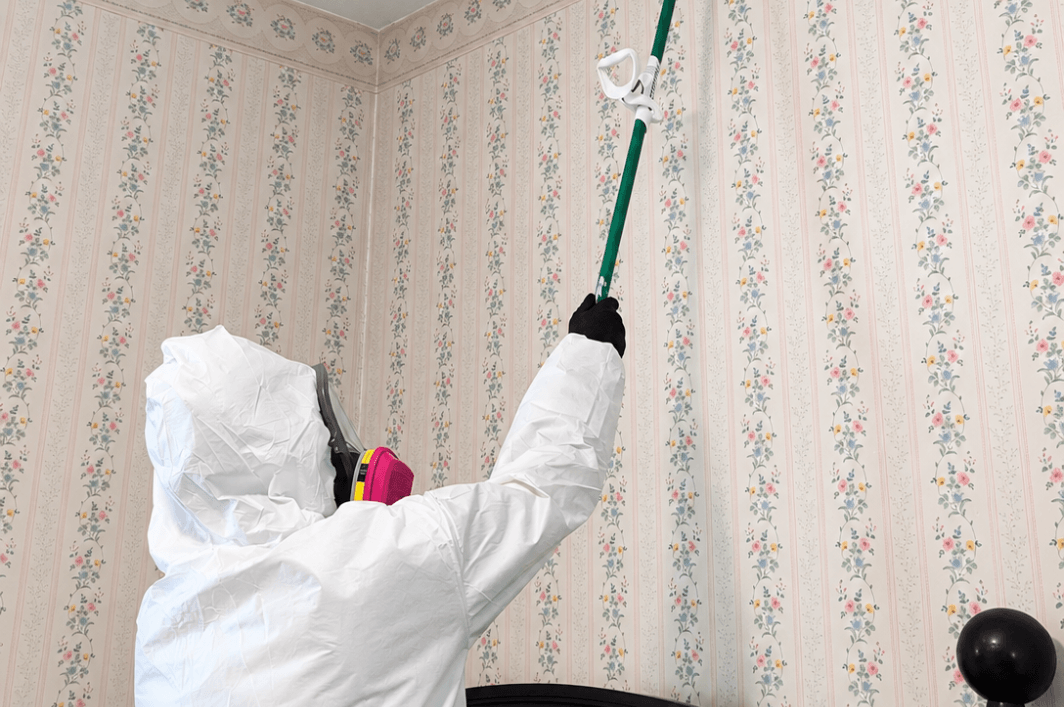
Our suicide and homicide cleanup professionals take over the property-related work that emergency responders, investigators, and funeral professionals do not perform. We identify the affected area, remove biological contamination, and prepare the space for safe use or necessary repairs.
Depending on the conditions, our work may include:
- Inspecting visible damage and surrounding materials
- Restricting access to prevent cross-contamination
- Identifying contamination beneath accessible surfaces
- Evaluating personal belongings
- Removing materials that cannot be restored
- Cleaning and disinfecting salvageable surfaces
- Addressing odors at their biological source
- Documenting the completed remediation
The required work depends on the affected materials and how far biological fluids traveled. A small visible stain may require further assessment if fluid reached carpet padding, flooring seams, or the subfloor.
Can personal belongings be saved?
Some personal belongings can remain in place or receive treatment. Material, condition, location, and direct contact with biological contamination determine what can be safely restored.
Tell us about photographs, legal documents, jewelry, electronics, and other meaningful items before work begins. We can consider those priorities while assessing the affected space.
Do not sort or remove items from the area yourself. Moving contaminated property can expose you and transfer biological material into clean rooms or vehicles.
Support After Finding a Dead Person
Finding a deceased person can cause an immediate or delayed emotional response. You may feel numb, shaky, sick, angry, detached, or unable to stop thinking about what you saw.
Ask someone you trust to stay with you or help with practical calls. You do not need to describe the scene or discuss the experience before you feel ready.
If the death involved suicide, the 988 Suicide & Crisis Lifeline provides confidential support for suicide loss survivors. You can call or text 988 for emotional support, even if you are not experiencing suicidal thoughts.
Call 911 if you or someone else faces immediate danger.
Frequently Asked Questions
Who should I call if I find a dead body at home?
Call 911 if the death is unexpected or you are unsure whether the person has died. Report an unresponsive person and follow the dispatcher’s instructions.
If the person was receiving hospice care and the death was expected, follow the notification plan provided by the hospice team. Call 911 if the circumstances differ from the expected death or present an immediate danger.
Who removes the deceased?
A medical examiner, coroner, funeral home, or authorized transport provider may remove the deceased. The circumstances of the death and local procedures determine who takes custody.
Does body removal include cleaning the property?
No. Body removal transfers the deceased from the scene but does not address blood, bodily fluids, tissue, decomposition, or affected building materials.
Suicide Cleanup Specialists handles the property after authorities complete their work and release the scene.
When can I enter the area again?
Wait until the responsible authority releases the scene. If biological contamination remains, continue restricting access until our team assesses and remediates the affected area.
Do police or funeral homes clean the property?
No. Police secure and document the scene, while a funeral home or authorized provider may transport the deceased.
Neither role normally includes removing biological contamination or restoring affected materials.
Are professional cleanup services available nationwide?
Yes. Suicide Cleanup Specialists provides professional biohazard remediation for homes, apartments, businesses, and other properties nationwide.
What to Do After Finding a Dead Body: Key Takeaways
Knowing what to do after finding a dead body gives you a clear order to follow without taking on responsibilities that belong to responders, investigators, or our trained technicians.
- Protect yourself from hazards before approaching the area.
- Treat an apparently lifeless person as an emergency until professionals assess them.
- Let the dispatcher guide any contact with the person.
- Preserve the condition of the surrounding scene.
- Prevent additional people or pets from entering.
- Allow authorities to complete and release the investigation area.
- Keep biological material isolated instead of attempting household cleaning.
- Let our team address the property after the official response ends.
Once authorities release the property, you do not need to inspect or clean the affected area yourself. Contact our 24/7 team for discreet, nationwide help with the physical aftermath of a death.