
Does Insurance Cover
Suicide Cleanup Costs?
In most cases, yes. Homeowners and renters insurance policies typically cover biohazard remediation — and we handle every aspect of the claim on your behalf. No paperwork, no phone calls with adjusters, no added stress on top of an already devastating time.
Why families choose us
Why Choose a Professional
Suicide Cleanup Service?
Medically Safe Remediation
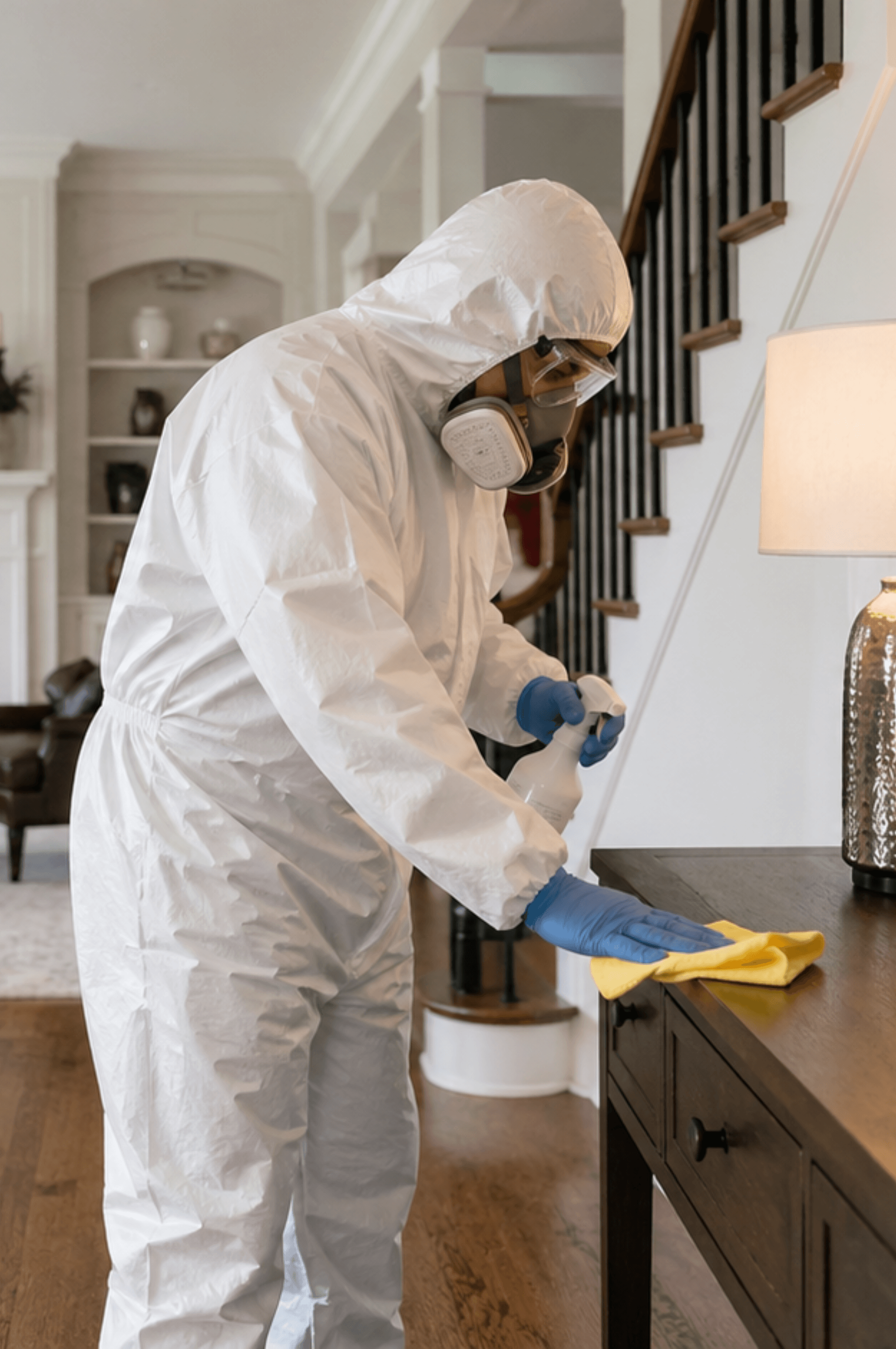
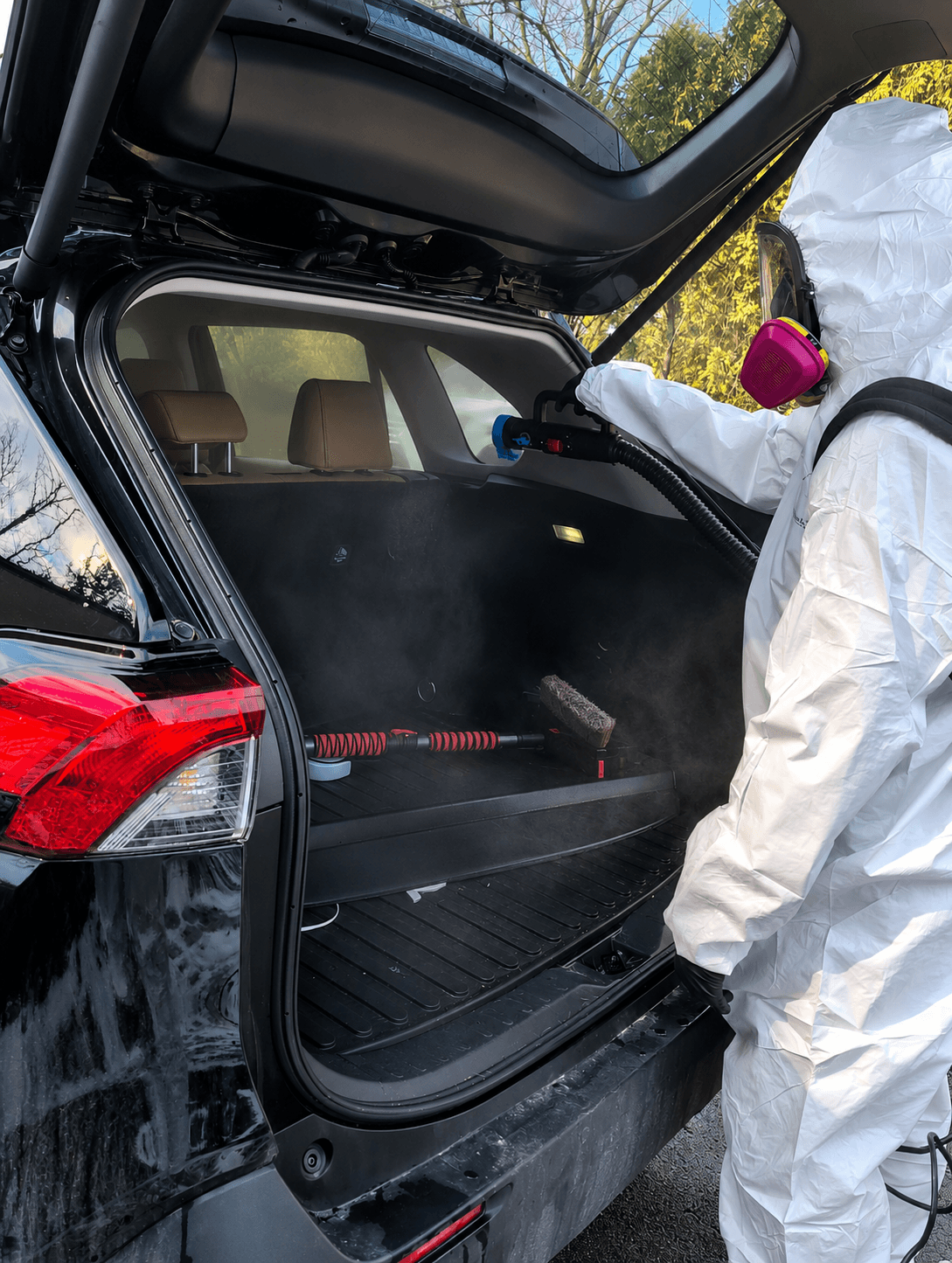
Bloodborne pathogens require EPA-registered disinfectants and OSHA-compliant protocols — not household cleaners. Every surface is verified clean with biodetection agents.
24/7 Rapid Response
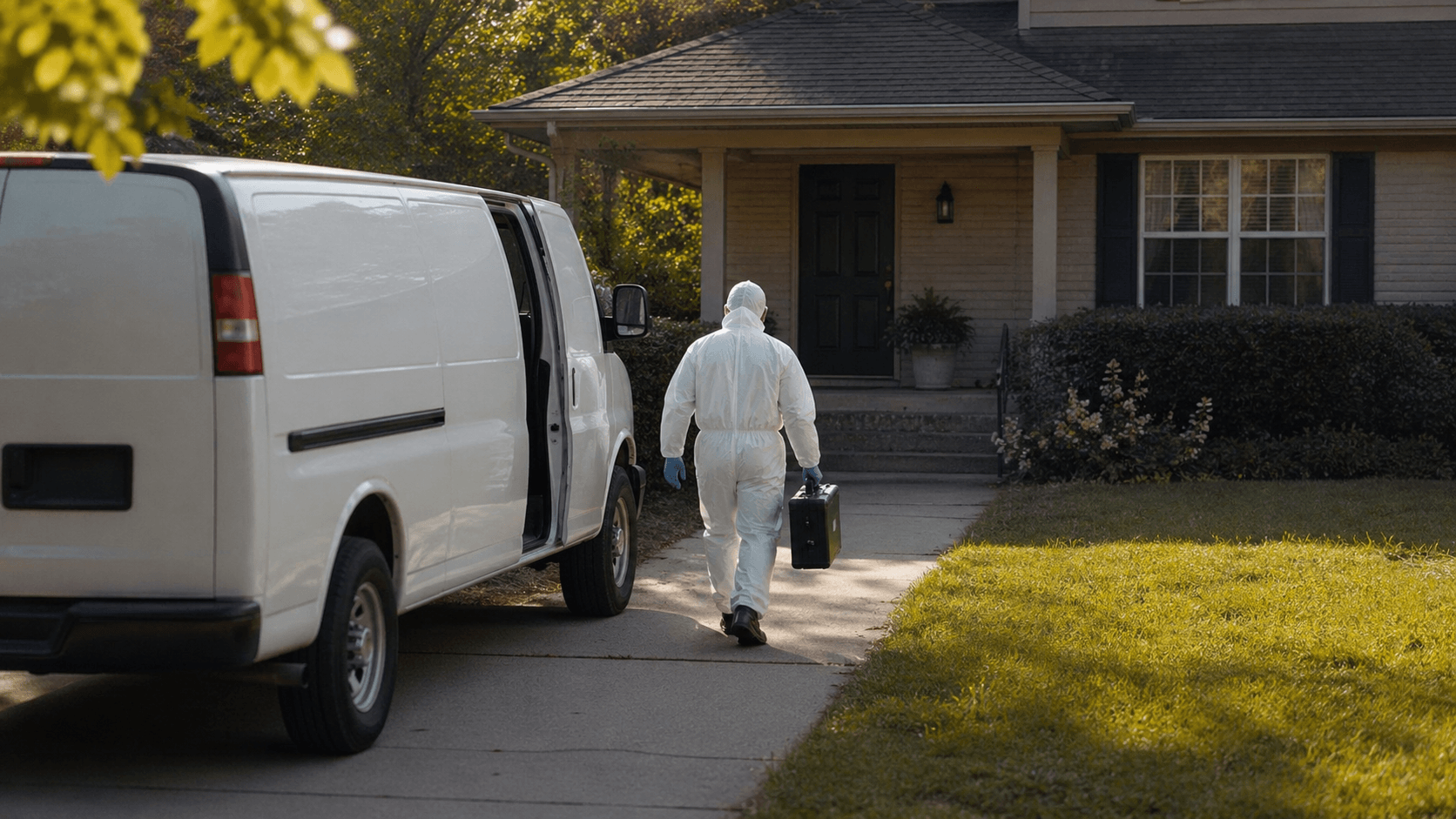
We dispatch immediately, arrive in unmarked vehicles, and coordinate with law enforcement release — so you never have to wait or wonder what comes next.
Compassionate Specialists
Every decision we make — how we speak to you, how we enter your home — is guided by the understanding that you are grieving. We treat your family with respect, always.
Insurance Claims Handled
We work directly with your insurer, file all documentation, and advocate for full coverage — so you have one less thing to manage during the hardest days.
Our Process
Our Suicide Cleanup
Process: 5 Steps
You Call Us
A live specialist answers 24/7. No hold music, no voicemail — a real person, immediately.
We Dispatch
The nearest certified team is mobilized and en route in unmarked vehicles.
Site Assessment
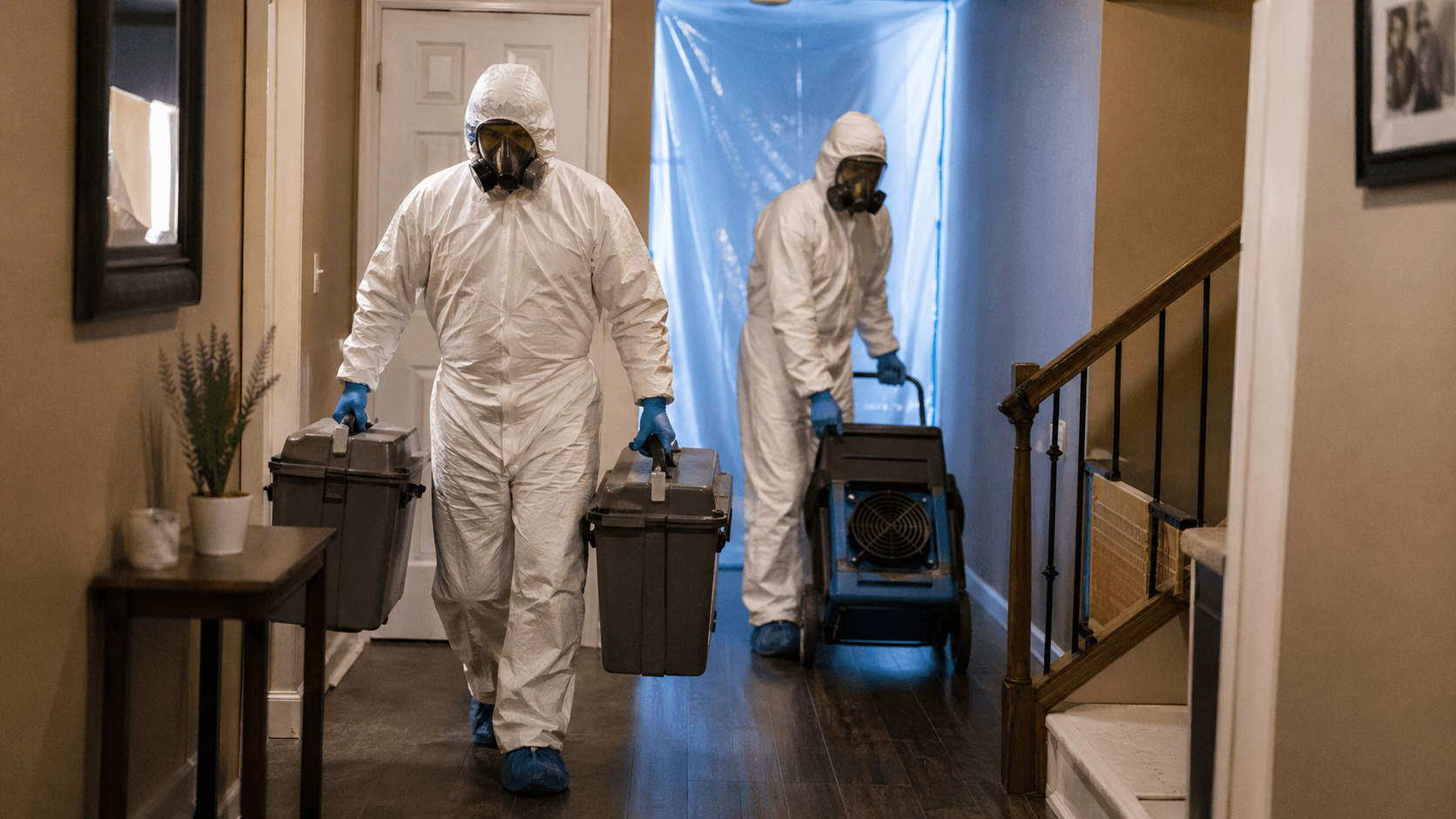
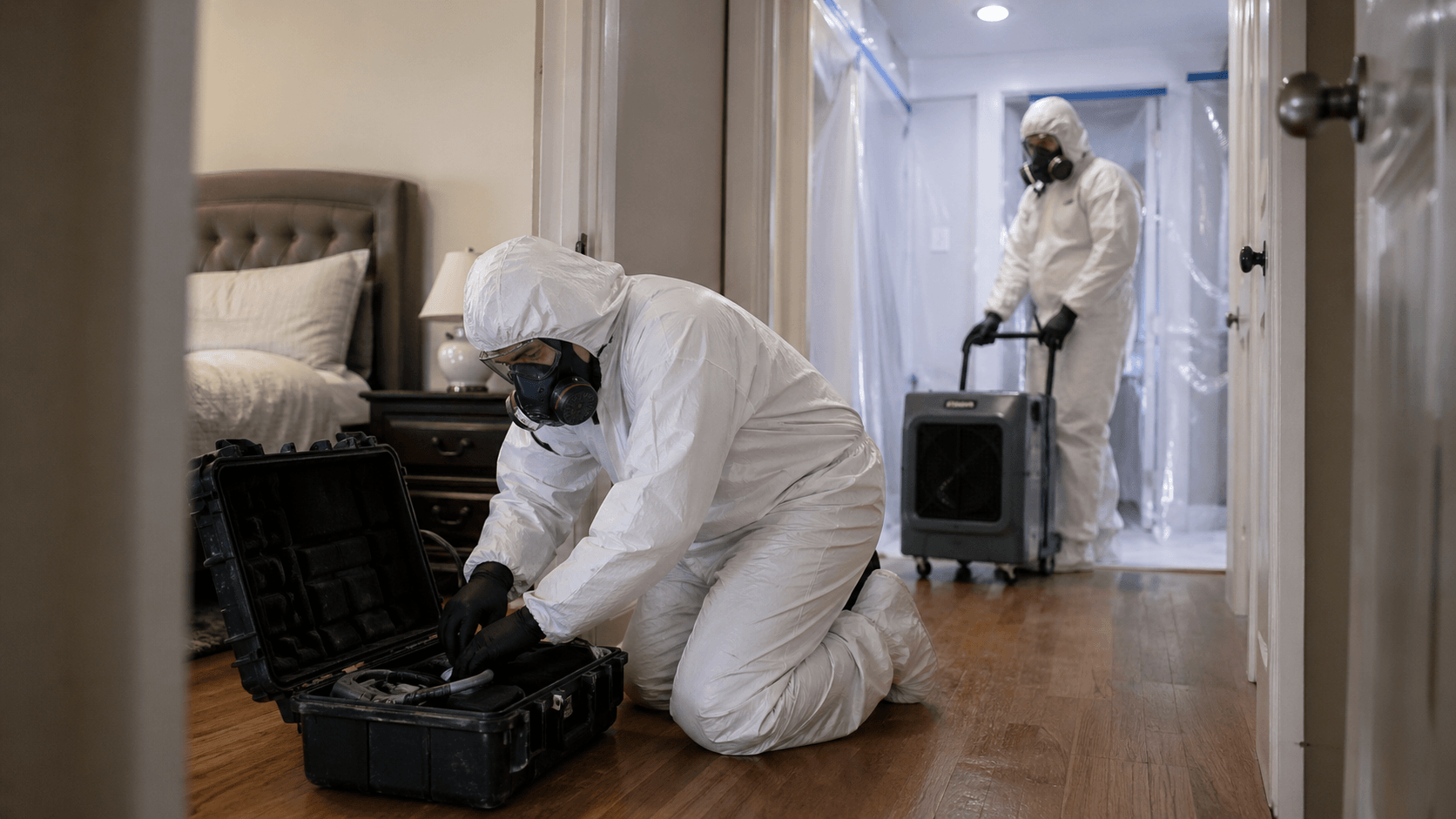
We survey the full site using biodetection agents to map all contaminated areas.
Biohazard Remediation
Full removal, CDC-approved disinfection, and deodorization — nothing left behind.
Full Restoration
The space is certified safe, documented, and restored to its pre-incident condition.
What families say
Suicide Cleanup Reviews
From Families We've Served
"I can't express how grateful our family is. We were completely overwhelmed. The team arrived quickly, treated our home and our grief with absolute respect, and took care of everything we couldn't bring ourselves to face. They made an unbearable situation just a little more bearable."
"They handled our entire insurance claim. I braced myself for an enormous bill and ended up paying almost nothing. Every person I spoke with was patient and kind — never once made us feel rushed."
"As a property manager I've worked with several remediation companies. SuicideCleanup.com is in a completely different category — faster, more thorough, and they understood the sensitivity of the situation from the very first call."
Certified & Compliant
Frequently Asked Questions
Common Questions About
Suicide Cleanup Services
Does insurance cover the cost of suicide cleanup?
In most cases, yes. Homeowners and renters insurance policies typically cover professional biohazard remediation including suicide cleanup. SuicideCleanup.com works directly with your insurer, handles all documentation, and advocates for full coverage — so you pay as little as possible out of pocket.
How quickly can you respond to a suicide cleanup call?
We respond immediately, 24 hours a day, 7 days a week, 365 days a year. A live specialist answers every call — no voicemail, no hold music. The nearest certified team is dispatched right away and can typically be on-site within hours of your call.
Will your vehicles be identifiable to neighbors?
No. All SuicideCleanup.com vehicles are completely unmarked and non-descriptive. We understand that privacy is critical during this time, and our entire process is designed to be discreet from arrival to departure.
What certifications do your technicians hold?
Our technicians are certified under OSHA bloodborne pathogen standards, IICRC remediation protocols, and follow EPA-registered disinfection procedures and CDC guidelines. All biohazard materials are disposed of in compliance with federal and state regulations.
Do you serve my area? Where do you operate?
Yes — SuicideCleanup.com operates nationwide across all 50 states with over 100 locations. Call 1-844-255-2462 any time and we will immediately connect you with the nearest available certified team.
What does the suicide cleanup process involve?
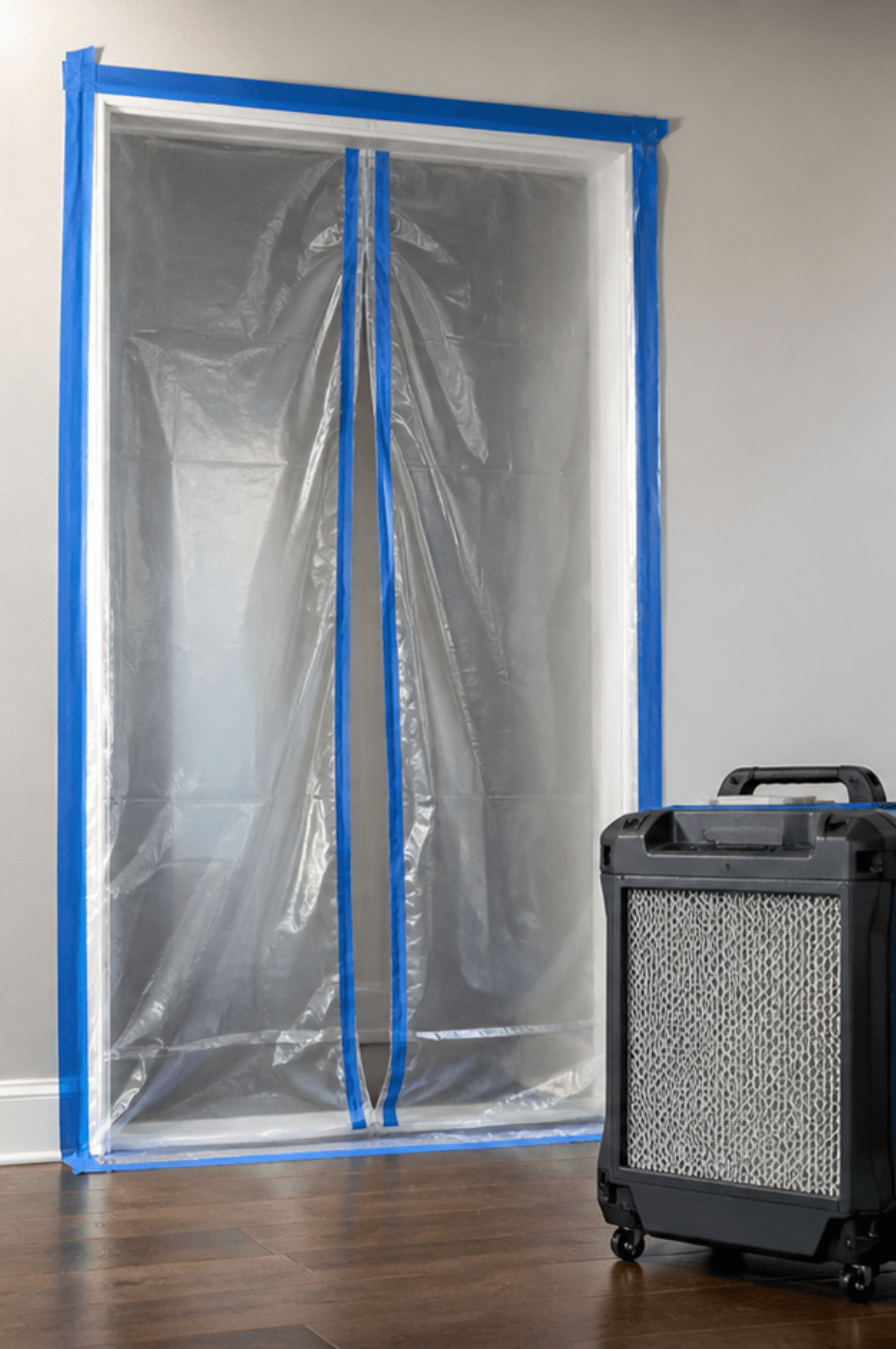
After an initial site assessment using biodetection agents, our team establishes containment zones, removes all biohazardous materials, applies EPA-registered disinfectants, eliminates odors, and restores the space to its pre-incident condition. All work is documented and certified safe before we leave.
We answer.
every time.
No hold music. No voicemail. A real person, ready to help — whatever the hour, whatever the situation.